Camel Live Club Takeover News: How World Cup 2026 is Already Commanding the Football Agenda

In football, a club takeover signals a dramatic shift in power, ambition, and future direction. Yet, as we approach the midway point of the 2025-26 season, a far greater force is executing the most widespread takeover in the sport's history: the relentless march toward the 2026 FIFA World Cup. This isn't a story of a single billionaire's investment but of an entire global calendar and mindset being reshaped. From transfer strategies and player form to managerial pressure and fan focus, the impending tournament in North America is the new owner of football's narrative, and every club is a subsidiary.
The Inevitable Takeover: Building Toward North America 2026
The scale of the 2026 World Cup is unprecedented. For the first time, 48 nations will compete, expanding the dream and creating new footballing histories. The qualification process, a sprawling drama involving 206 teams, has already gifted us unforgettable stories. Nations like Uzbekistan, Jordan, and Cape Verde have secured their maiden World Cup appearances, while Curaçao has made history by becoming the smallest nation ever to qualify. These are not just statistical footnotes; they represent the new global order that clubs must now navigate. Scouts are feverishly tracking breakout stars from these qualifiers, knowing a standout performance on the world's biggest stage can transform a player's valuation overnight.
The traditional powerhouses have, as expected, secured their passages. Defending champions Argentina, alongside giants like Brazil, France, England, and Germany, have all booked their tickets, setting the stage for a tournament of incredible depth. This means that for elite clubs across Europe, nearly every key player in their squad will be involved in a demanding summer tournament. The shadow of 2026 looms over every fitness decision, every tactical rotation, and every contract negotiation happening in boardrooms today.
Club Strategies in the Shadow of the Tournament
This takeover is most visible in the transfer market. The summer 2025 window was not just about fixing immediate squad issues; it was a pre-emptive move for a post-World Cup landscape. Look at the movements of top strikers. The golden boot race is always a headline, but this season it feels like a direct audition for 2026. Manchester City's Erling Haaland, coming off a "down" year by his astronomical standards with 22 league goals, is predicted by many pundits to reclaim the scoring crown with vengeance, sharpening his edge for Norway. Meanwhile, Liverpool's acquisition of a new goalkeeper in Giorgi Mamardashvili is as much about securing their domestic title defense as it is about managing the workload and pressure on their international stars.
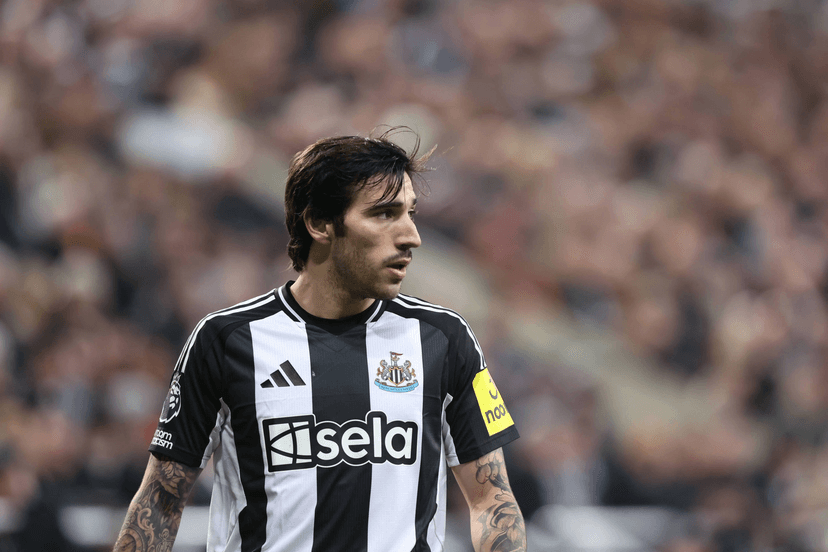
The takeover also intensifies pressure in unexpected places. Newly promoted sides and clubs in transition know that the 2026 spotlight will shine elsewhere, making their fight for survival or relevance now even more critical. ESPN analysts have pinpointed managers like Burnley's Scott Parker and Newcastle's Eddie Howe as being under particular strain this season. For Newcastle, a "disastrous" summer transfer window, missing key targets while facing Champions League football, could see them regress—a dangerous slide with the global football world's attention soon to be monopolized by the World Cup.
The Dual Battle: Champions League Glory and World Cup Dreams
While 2026 is the end goal, the immediate club battlefield is the 2025-26 UEFA Champions League. This season's competition is a fascinating subplot to the World Cup narrative. Paris Saint-Germain enter as defending champions, but with six English clubs in the mix, the Premier League's financial and tactical dominance is on trial. For players like Phil Foden, tipped for a major bounce-back season at Manchester City, or Manchester United's Mason Mount, performing in Europe is the only way to cement a starting role for their national teams next summer. The Champions League final in Budapest on May 30, 2026, will be the last major club act before the international circus descends on North America, making it the ultimate showcase for players on the cusp of World Cup selection.
This creates a unique dynamic. Club loyalties are absolute, but an unspoken understanding exists between player and manager: form and fitness for the next 18 months have a dual purpose. A player like Arsenal's Martin Ødegaard, seeking to return to his brilliant best after an injury-hit season, isn't just driving his club's title charge; he's orchestrating Norway's hopes for a deep World Cup run. This intertwining of destinies is the essence of the 2026 takeover.
Conclusion: The Countdown is On
The deal is done. The 2026 FIFA World Cup has successfully taken over the rhythm, priorities, and anxieties of the football world. Every pass, every tackle, and every transfer in the coming months will be made with one eye on the horizon where history awaits in Canada, Mexico, and the United States. For fans, this is a golden era of interconnected storylines. The club season is no longer a standalone entity; it is Act One of a two-year epic.
At Camellive, we are tracking every facet of this global takeover. From the late drama in World Cup qualifiers to the weekly battles in the Premier League and Champions League that are shaping national team fortunes, we provide the insights and analysis you need. The beautiful game is undergoing its most significant power shift, and we are your trusted source for every decisive moment on this journey to 2026.
*Stay with Camellive for real-time scores, in-depth tactical breakdowns, and exclusive coverage as the road to the 2026 World Cup continues to redefine football.