Camel Live Sustainability in Sport: How Football is Building a Greener Future for 2026 and Beyond
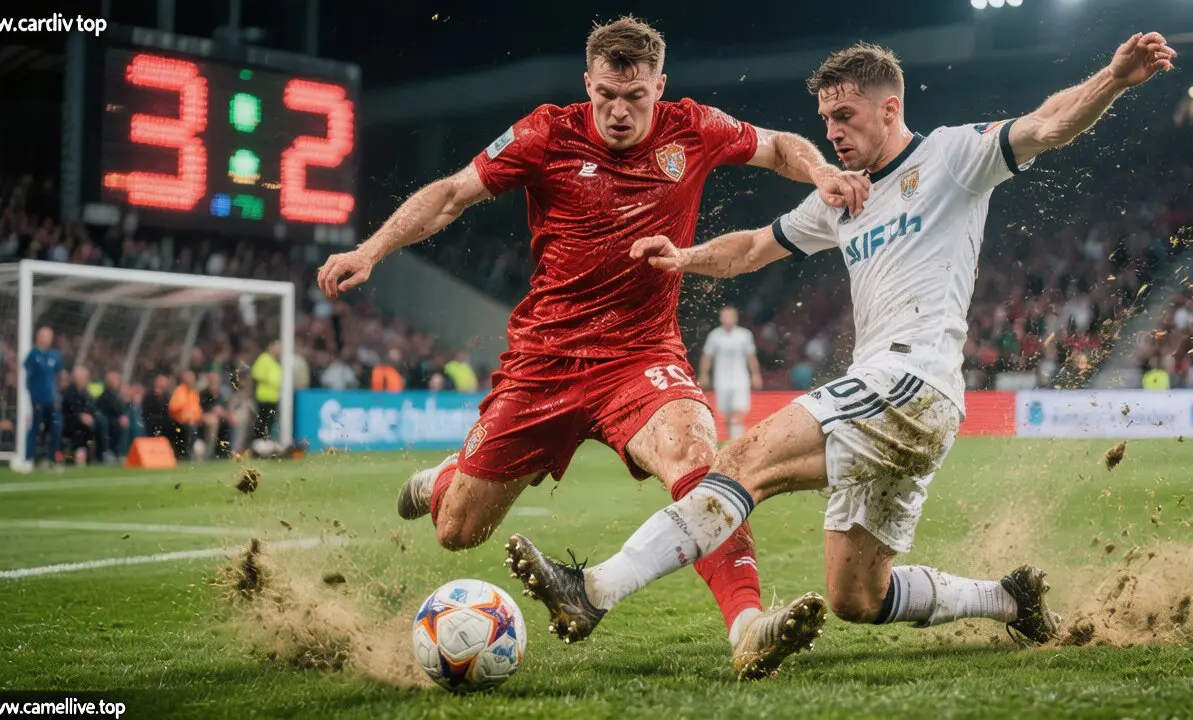
As the global football community turns its eyes towards the historic 2026 FIFA World Cup across North America, a parallel championship is underway—one where the ultimate goal is a sustainable future for the sport itself. The conversation has moved beyond simple gestures to a fundamental integration of environmental responsibility into the very fabric of the game. At Camel Live, we believe that the true spirit of sport is not only in the moments of brilliance on the pitch but in the legacy it leaves for our planet and communities. The road to 2026 is proving to be a defining chapter in this journey.
The upcoming tournament represents an unprecedented test and opportunity. For the first time, the event will span three nations and 16 host cities, utilizing existing stadiums to avoid the massive carbon footprint of new construction. This decision shifts the sustainability challenge from building to operating, with a sharp focus on mobility, waste, energy, and fan engagement. Host cities are responding with ambitious, localized plans. In Dallas, which will host nine matches, the sustainability strategy is a central pillar, targeting green venue certifications, comprehensive waste reduction, and a fan transportation plan that includes electric buses to mitigate the city's lack of public rail. Similarly, Houston has launched "Impact Houston 26," a legacy initiative designed to extend the World Cup's benefits for decades, with core pillars dedicated to protecting the environment and growing the game sustainably.
Mexico's host venues are setting a particularly high bar. Unlike some stadiums in the U.S., all three Mexican stadiums are aligned with stringent international standards, pursuing or having achieved LEED (Leadership in Energy and Environmental Design) certification. The iconic Estadio Azteca, renamed Estadio Banorte, is undergoing a renovation that aims for the highest LEED level among Mexican venues, demonstrating how historic infrastructure can be transformed into a benchmark for sustainability. This proactive approach highlights a crucial lesson: that compliance is just the starting point for true leadership.
However, these efforts unfold against a sobering backdrop. A landmark climate report titled "Pitches in Peril" warns that climate change is an immediate threat to the sport. The analysis reveals that 14 of the 16 World Cup 2026 stadiums already exceed safe-play thresholds for climate hazards like extreme heat and flooding. Looking ahead, nearly 90% of these elite stadiums could face unplayable heat conditions by 2050, with two-thirds of the grassroots pitches that nurture future talent also at severe risk. This stark reality underscores that sustainability is not merely an operational concern but an existential one for football's future. Notably, fans are demanding action; surveys show an overwhelming majority in the host nations believe the World Cup should be a global role model for climate leadership.
This momentum extends beyond the World Cup. In Europe, UEFA and the European Football Clubs (EFC) association have launched a joint Sustainability Cooperation Plan for the 2025/26 and 2026/27 seasons. This formal framework treats sustainability as a strategic investment, working to integrate it into club licensing, educate dedicated sustainability managers, and create long-term value across the football ecosystem. It signals a shift from isolated projects to a systemic, continent-wide integration of environmental and social governance.
The path forward for sustainable sport hinges on three interconnected elements: advanced infrastructure, measurable action, and collective participation. Stadiums with smart water systems and renewable energy are vital, but their impact is limited without effective waste separation and conscious consumption by thousands of fans. The industry is moving towards hard metrics—tracking carbon reduction, waste diverted from landfill, and water saved—to move beyond claims and demonstrate real accountability. Ultimately, the most powerful player is the fan. The choice to carpool, use a reusable bottle, or support brands and clubs with genuine green credentials amplifies every institutional effort.
The 2026 spectacle will be unforgettable, but the true victory will be measured in the years that follow. It will be seen in the community programs funded by legacy initiatives, the cleaner operations adopted by clubs inspired by new standards, and the raised awareness among billions of fans. Football has the unique power to unite the world; now, it is increasingly mobilizing to protect it. The beautiful game is not just adapting to a changing world—it is striving to help change it for the better.
Follow the journey towards a greener game. For real-time updates on scores and the sustainable stories shaping football’s future, visit Camellive.top.