Camel Live Football Language Guide: Your Ultimate Companion to 2026's Historic World Cup
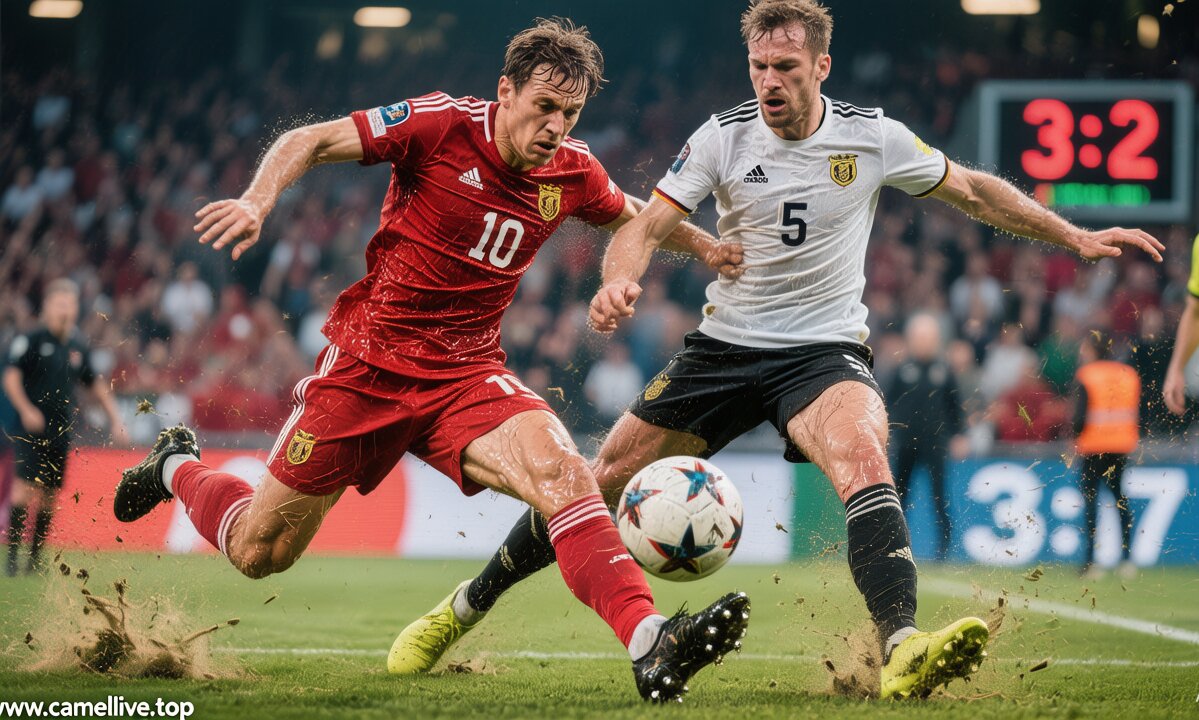
The beautiful game speaks a universal language, one of passion, drama, and unforgettable moments. As the global football family turns its eyes toward the historic 2026 FIFA World Cup, understanding this language becomes more thrilling than ever. For fans worldwide, staying connected to every goal, tactical shift, and underdog story is the ultimate goal. This is your essential language guide to the 2026 spectacle, powered by the latest updates and insights you can trust.
A Tournament of Firsts: Understanding the 2026 Landscape
The 2026 World Cup is not just another tournament; it is a landmark event set to rewrite the record books. For the first time, the world's biggest sporting competition will be hosted across three nations: Canada, Mexico, and the United States. This collaborative effort across North America promises a festival of football like no other.
The most significant change is the expansion of the field from 32 to 48 national teams. This means more nations, more stars, and more stories. Debutants like Cape Verde, Jordan, and Uzbekistan will bring fresh energy and new footballing dialects to the global stage. The format evolves to accommodate this growth: teams will be drawn into 12 groups of four. The top two teams from each group, plus the eight best third-place finishers, will advance to a newly created Round of 32. This ensures a longer, more intense tournament with a total of 104 matches played over 39 days, from the opening kick-off on June 11 to the final on July 19, 2026.
Navigating the Group Stage Lexicon
The group stage is where narratives are born. The provisional draw reveals fascinating linguistic clashes—football styles from different continents converging on the pitch.
Group A: Mexico, as a host, will open the tournament at the iconic Estadio Azteca in Mexico City. Their matches against South Africa and South Korea will be a masterclass in contrasting tempos and techniques.
Group D: The United States, another host nation, begins its campaign in the glamour of SoFi Stadium in Los Angeles against Paraguay. Their group also features the resilient Socceroos of Australia, promising physically demanding and strategically intriguing contests.
Group C: A true "Group of Death" flavor emerges here, with football powerhouse Brazil facing African stalwarts Morocco and the determined squad from Scotland.
Group L: European heavyweights England and Croatia rekindle their recent rivalry, while the dynamic styles of Ghana and Panama add unpredictable flair.
This is just a glimpse. Every group contains its own drama, from Spain's tactical possession meeting Uruguay's gritty determination in Group H, to the storied history between France and Senegal in Group I.
The Stadiums: Cathedrals of Football Across a Continent
The 2026 World Cup will be played in 16 world-class stadiums across 16 host cities. Each venue adds its own accent to the tournament's story:
Historic Venues: Mexico City's Estadio Azteca stands alone as the only stadium to host two World Cup finals (1970 and 1986) and will now add a third tournament to its legendary history.
Modern Marvels: Cutting-edge arenas like Atlanta's Mercedes-Benz Stadium, Los Angeles's SoFi Stadium, and Dallas's AT&T Stadium will showcase football on a spectacular scale.
Northern Gateways: Canadian cities like Toronto and Vancouver will welcome the world, with BMO Field in Toronto being expanded to meet the soaring demand for tickets.
The final, the single most important word in any World Cup glossary, will be spoken at MetLife Stadium in East Rutherford, New Jersey, on July 19, 2026.
Beyond the World Cup: The Full Football Dialect
While the World Cup is the headline act, the language of football is spoken year-round. The road to 2026 is paved with crucial continental qualifiers throughout 2025 and early 2026. Furthermore, the beautiful game's dialect includes community and charity. Events like the "A Touch of Football" flag football tournament at Detroit's Ford Field in January 2026 show how the sport's vocabulary extends to making a positive social impact.
Speak Football Fluently with Camellive
To truly understand and enjoy the rich language of the 2026 World Cup, you need a reliable translator. This is where Camellive excels. As your ultimate football companion, Camellive provides the real-time fluency you need to follow every chapter of this historic event.
Live Commentary: Follow every match with real-time text commentary, ensuring you never miss a key moment, no matter where you are.
Comprehensive Statistics: Go beyond the score. Dive into deep team and player stats to understand the how and why behind the result.
Personalized Updates: Customize your feed to follow your favorite national teams and players throughout their 2026 journey.
Global Fixtures: From the last qualifying matches to the final whistle in New Jersey, access the complete, integrated schedule for the entire football world.
The 2026 FIFA World Cup is a sentence the football world has been waiting to read. It’s a story of expanded horizons, united nations, and sporting excellence. As the tournament draws closer, let Camellive be your guide to its every word, emotion, and unforgettable moment. Download the app today and start perfecting your football language for the greatest show on Earth.