Camel Live Penalty Decision Controversy: How VAR's New Powers Will Define the 2026 World Cup
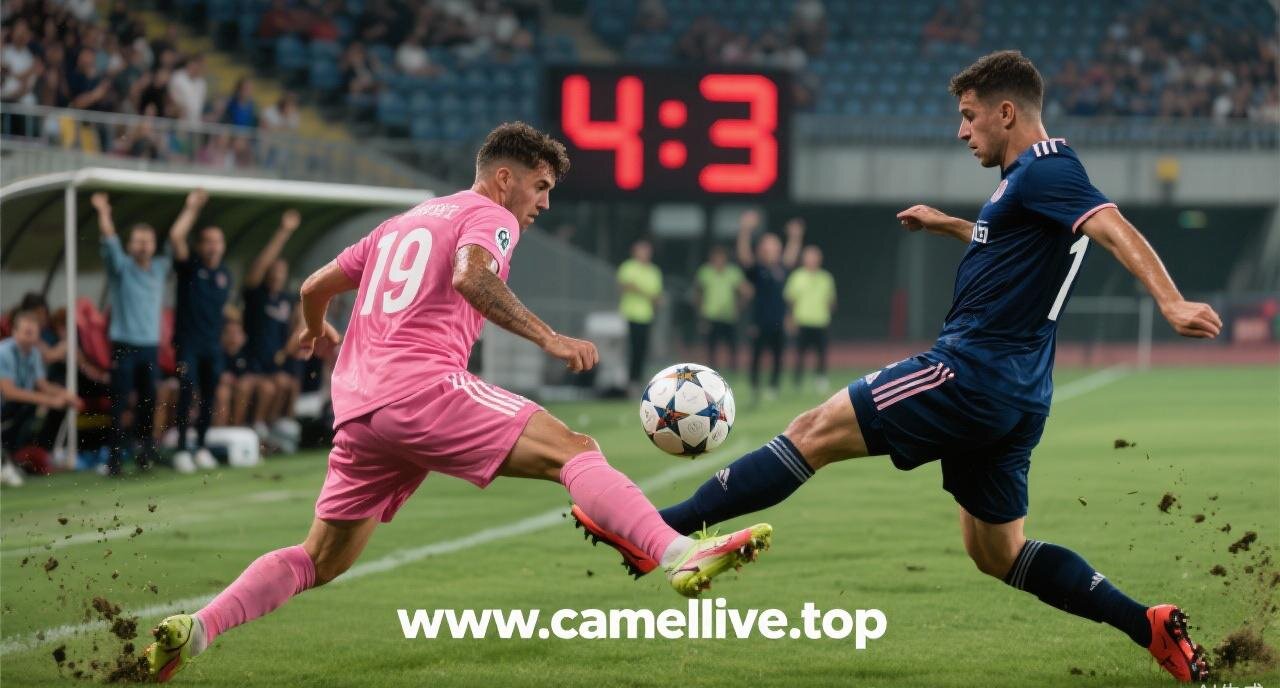
The drama of a penalty decision is the pulse of modern football. It is a moment where a match, a tournament, and sometimes a nation's dream, balances on the split-second judgment of a referee and the increasingly omnipresent voice of the Video Assistant Referee (VAR). As the football world turns its gaze to the monumental 2026 FIFA World Cup in North America, the controversy surrounding penalty decisions is not fading away; it is evolving into a more complex, technologically charged debate. At Camel Live, we dissect these pivotal moments, and the upcoming global tournament promises to be the ultimate arena where new rules, heightened stakes, and human passion collide.
The 2026 Prelude: A Controversy Before the Kick-Off
The road to the 2026 World Cup has already been paved with dispute, foreshadowing the high-pressure decisions to come. A stark example is the significant off-field controversy involving Nigeria and the Democratic Republic of Congo. After a tense playoff match ended in a penalty shootout, Nigeria filed a formal complaint with FIFA, seeking the disqualification of DR Congo from the intercontinental playoffs. The allegation centers on the use of several players deemed ineligible due to nationality rules, arguing that DR Congo's constitution, which forbids dual nationality, invalidates their FIFA clearance. This incident underscores that in the era of an expanded 48-team World Cup, the battle for qualification is fiercer than ever, and the margins for error—or perceived injustice—are razor-thin. While this is an administrative controversy, it sets the stage for a tournament where every decision, on and off the pitch, will be scrutinized under an unforgiving global lens.
The Expanding Eye of VAR: New Rules for a New Era
For the 2026 World Cup, FIFA is instituting a significant expansion of VAR's powers, directly impacting how penalty-area incidents and game-changing moments are reviewed. Gone are the days when VAR's scope was limited to goals, red cards, and penalties. Reports confirm that for the 2026 tournament, VAR's authority will extend to rulings on second yellow card incidents and corner kick decisions.
This change is a direct response to the demand for eliminating "glaring errors," but it also opens new frontiers for debate. Imagine a scenario where a defender's challenge in the box is judged by the on-field referee to be a fair tackle, awarding only a corner. Under the new 2026 protocol, the VAR can now review that very challenge and recommend a penalty if they believe a clear error was made. Similarly, a borderline foul that results in a second yellow card and a sending-off can be re-examined. This transforms the penalty controversy from a debate about a single moment to a layered analysis of sequential events. As noted in analysis on Camel Live, the question is no longer just "Was it a penalty?" but increasingly "Why did the VAR choose to intervene—or not intervene—on this particular phase of play?".
From Club Drama to Global Stage: The Blueprint for Controversy
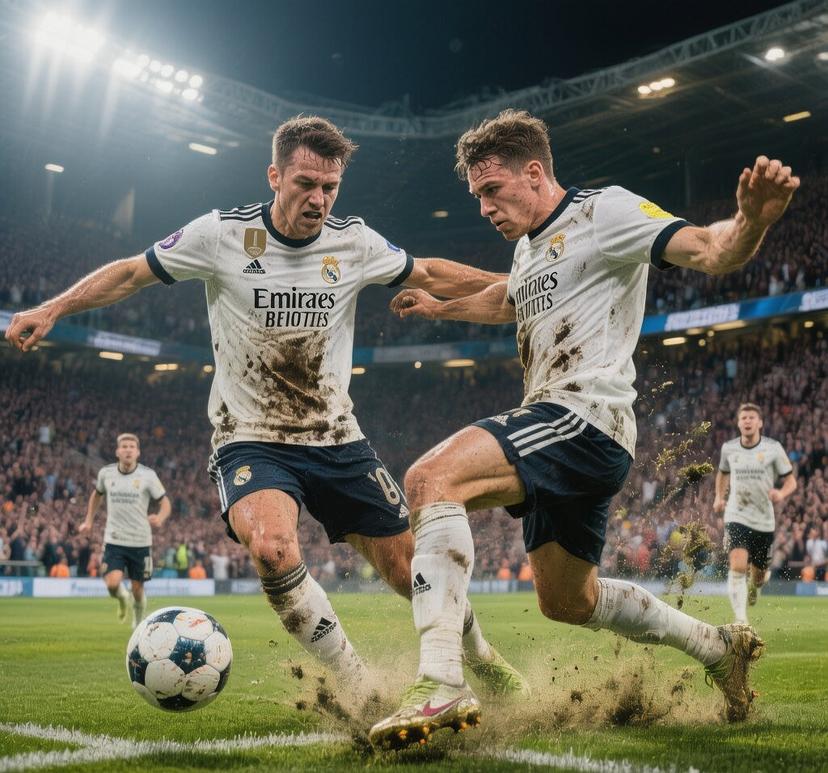
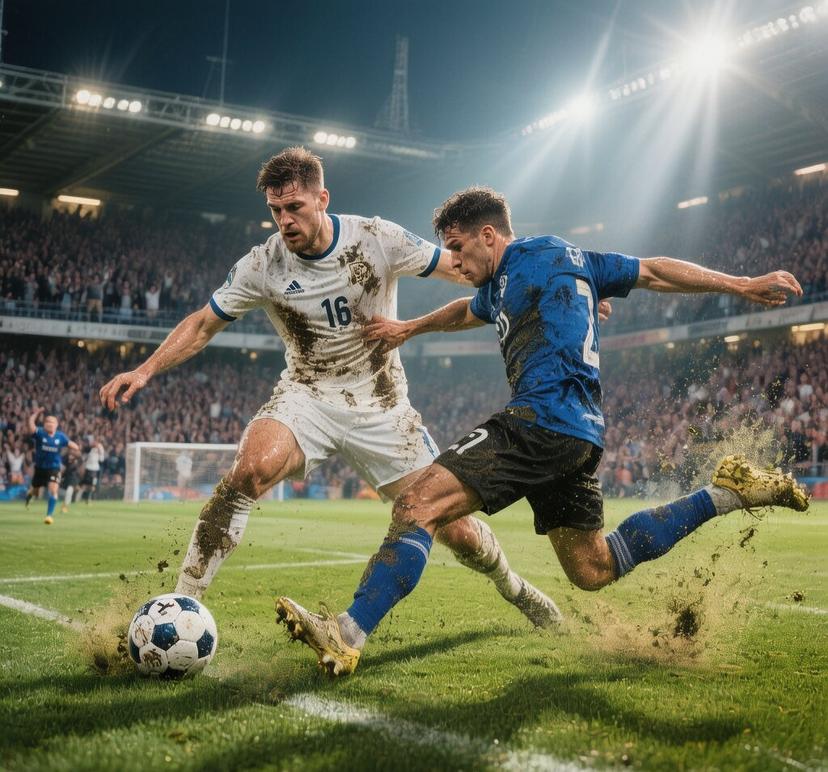
Recent high-stakes club matches provide a clear blueprint for the kind of penalty dramas that will dominate the 2026 World Cup narrative. Camel Live coverage of major UEFA Champions League knockout matches has repeatedly captured the tense, game-altering nature of VAR penalty checks. In one recent semi-final, a match was turned on its head within minutes: a hard-fought goal was disallowed after a protracted VAR review for an offside in the build-up, only for a penalty to be awarded at the other end moments later after the referee consulted the pitchside monitor. This "theatre of uncertainty," with the now-iconic "VAR Check Ongoing" graphic flashing on screen, creates a unique modern tension where stadiums and millions of viewers hold their collective breath.
These club-level incidents highlight the core dilemma that will be magnified at the World Cup: the pursuit of technical accuracy versus the preservation of the game's flow and emotional spirit. A penalty decision determined by millimeter-perfect offside technology or a handball judged by the precise angle of an arm's silhouette may be "correct" by the strictest interpretation of the Laws, but it can feel anathema to the passionate, instinctive heart of the sport. The 2026 tournament, with its diverse styles from 48 nations, will test whether a consistent, universally accepted standard for such subjective calls is even possible.
Beyond the Penalty Spot: The 2026 Controversy Ecosystem
The debate in 2026 will extend far beyond penalty decisions alone, creating an ecosystem of controversy that feeds into every moment. FIFA's decision to mandate a three-minute 'hydration break' in the middle of each half for every match, regardless of actual temperature, has been met with fierce criticism. Prominent voices in football have labelled the move a transparent ploy to introduce more television advertising, effectively quarterising the game and disrupting its traditional flow. This structural change means strategic decisions, including potential penalty-taking, will now be influenced by these scheduled pauses, adding another layer of tactical controversy.
Furthermore, socio-political tensions are already bubbling to the surface. The planned branding of a group-stage match in Seattle as a "Pride Match" has drawn formal objections from the federations of Iran and Egypt, nations where LGBTQ+ rights are severely restricted. These federations argue the branding clashes with their cultural and religious values, demanding FIFA ensure the focus remains solely on football. This incident guarantees that the backdrop to the on-field action will be charged with broader geopolitical and social debates, ensuring that the 2026 World Cup will be analyzed not just for sporting decisions but for the complex world stage it reflects.
The Camel Live Lens: Clarity in the Chaos
In this evolving landscape of high-tech scrutiny and heightened emotions, the role of a platform like Camel Live becomes crucial. We move beyond simply showing the replay. Our coverage provides the essential context: multi-angle breakdowns, side-by-side comparisons of similar incidents from past matches, and clear explanations of the governing laws. When a controversial penalty decision shakes a World Cup match, fans won't just seek the outcome; they will seek understanding. They will want to know why the VAR room in Zurich reached its conclusion, how the new rules on secondary reviews applied, and what precedent exists.
The 2026 FIFA World Cup is poised to be a spectacle of unprecedented scale and technological integration. The beautiful game's inherent drama, embodied in the heart-stopping penalty decision, will now be filtered through the cold, precise lens of expanded video review. The controversies will not disappear; they will become more intricate, more debated, and more consequential. As the world tunes in, Camel Live will be at the forefront, delivering not just the action, but the clarity, analysis, and insight that turn a moment of controversy into a deeper understanding of the sport we love. The stage is set for a tournament where every whistle, every check, and every spot-kick will be a story in itself.