Camel Live New Goal Celebration Trend: When Spontaneous Joy Becomes a Brand Strategy
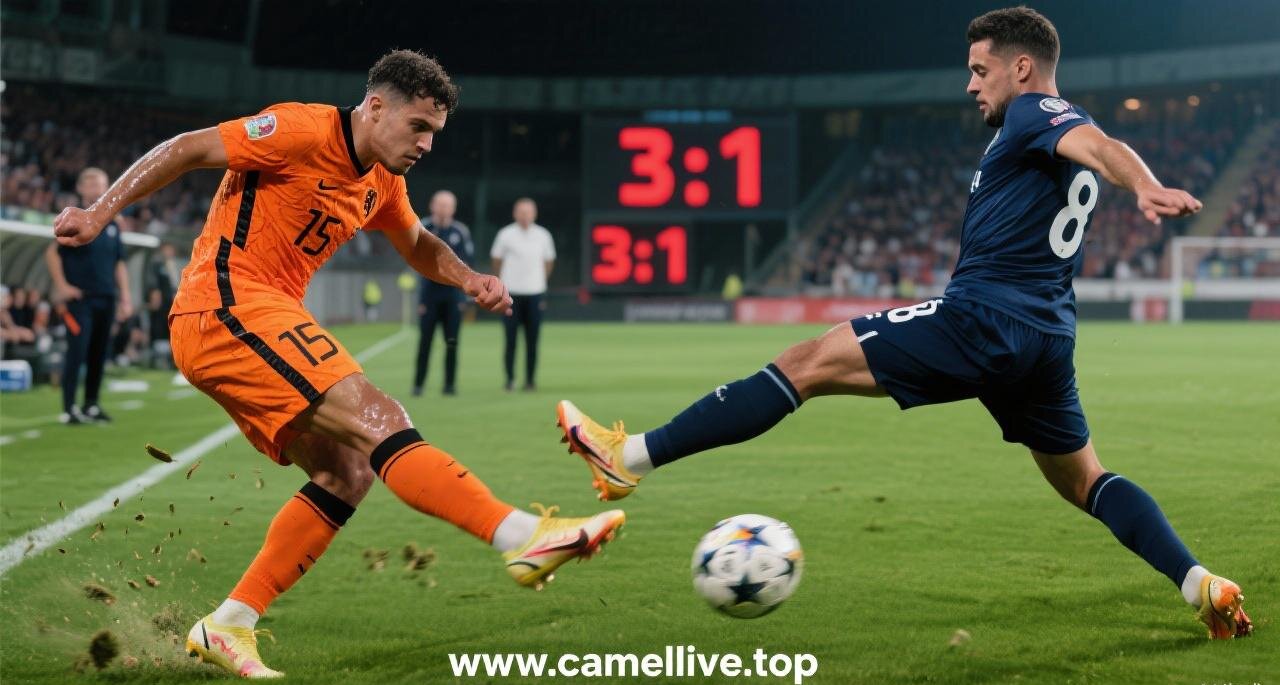
The roar of the crowd, the surge of adrenaline, the pure, unadulterated joy—scoring a goal is football's ultimate climax. For decades, the celebration that followed was an instinctive, often chaotic, release: a mad dash to the corner flag, a leap into the arms of teammates, a fist pump to the heavens. However, as we approach the landmark 2026 FIFA World Cup in North America, a new, calculated trend is redefining this iconic moment. The goal celebration is no longer just an emotional outburst; it has evolved into a deliberate act of personal branding, a valuable piece of intellectual property, and a central narrative in the modern football story.
This shift from spontaneity to strategy is the most significant evolution in goal celebrations in a generation. It transforms a few seconds of triumph into a lasting commercial and cultural symbol, perfectly suited for an era where every moment is clipped, shared, and analyzed.
The Trademarked Triumph: Celebrations as Business Assets
The most telling sign of this new era is the rush by players to legally own their moments of joy. Across the football world, signature celebrations are being transformed from playful gestures into trademarked assets.
English star Cole Palmer has moved to trademark his now-iconic "cold" celebration, a calm, composed gesture that has become his visual signature. This legal step is not merely about recognition; it's about control and revenue. By trademarking the gesture, Palmer can license it for use in video games like EA Sports FC, on merchandise, and in global advertising campaigns, ensuring he profits from his own created iconography. He is following a path blazed by the game's biggest icons. Cristiano Ronaldo's legendary "Siuuu" leap is arguably the most valuable celebration in sports history, a globally recognized symbol meticulously integrated into his partnerships with brands like Nike.
This trend highlights a fundamental change: a player's brand extends far beyond their performance over 90 minutes. A unique celebration like Erling Haaland's meditative "Zen" pose or the mysterious "mask" gesture of Arsenal's Viktor Gyökeres becomes a powerful, marketable logo—a silent statement of identity that resonates in the digital marketplace. For a forward-thinking platform like Camel Live, which provides deep analytical power beyond the scoreline, understanding these personal brands adds a rich layer to player profiling and fan engagement.
The 2026 World Cup Stage: A Global Launchpad for Personal Brands
The 2026 FIFA World Cup, set to span the United States, Canada, and Mexico, will be the ultimate amplifier for this celebration trend. It is not just a tournament; it is the world's largest commercial and media stage. For emerging stars and established legends alike, a goal on this platform is a marketing opportunity of unparalleled scale.
Imagine a young talent scores a stunning winner for a debutant nation. The celebration they choose—whether a homage to their roots, a nod to internet culture, or a brand-new signature move—will be beamed to billions. That single gesture can define their global image for years to come, sparking viral trends, merchandise lines, and sponsorship interest. In the connected digital age, a celebration's impact is measured not just in decibels within the stadium, but in shares, likes, and remixes across social media platforms.
The narrative of the tournament itself will be punctuated by these moments. A politically charged gesture, a tribute to a fallen icon, or a coordinated team celebration can become one of the World Cup's enduring stories, discussed as fervently as the tactical battles. For fans using platforms like Camel Live to follow the action, these celebrations provide emotional and narrative context that pure match statistics cannot, turning a data point into a memorable human story.
The Fan Experience: From Spectators to Participants
This new trend profoundly changes how fans interact with the sport. Celebrations are no longer just to be watched; they are to be decoded, debated, and adopted.
The mystery behind Viktor Gyökeres's "mask" celebration, for instance, has fueled endless fan theories and online discussion, effectively turning each goal into an interactive puzzle. When Kylian Mbappé strikes his now-familiar folded-arms pose, it is instantly replicated in parks, schoolyards, and living rooms worldwide, connecting fans directly to their hero through shared mimicry.
This participatory culture is the lifeblood of modern fandom. A celebration becomes a meme, a challenge, a digital token of allegiance. It offers fans a tangible piece of a player's identity to embrace, strengthening their emotional connection to the athlete. For a data-rich service like Camel Live, this cultural layer complements the advanced analytics—such as Expected Goals (xG) and player heatmaps—by capturing the personality and story behind the numbers, offering a holistic view of the beautiful game.
The Delicate Balance: Authenticity in a Curated World
With this hyper-commercialization comes a legitimate concern: has football lost its authentic, raw emotion? Are celebrations now rehearsed performances for the cameras rather than genuine releases of feeling?
This is the central tension of the new trend. The most successful celebrations manage to bridge this gap. They feel authentic to the player's personality while being visually distinct enough to function as a brand marker. Haaland's calm pose reflects his ice-cool finishing; Palmer's "cold" gesture matches his composed playing style. The challenge for players in the 2026 spotlight will be to maintain that sincerity. A celebration that feels forced or purely mercenary can backfire with fans who crave genuine passion. The celebrations that will resonate most in the heat of a World Cup knockout match will be those that fuse personal meaning with iconic style.
Conclusion: The Celebration as the Ultimate Highlight
As football accelerates into a future driven by data, branding, and global digital culture, the goal celebration has secured its place as a critical piece of the sport's ecosystem. It is a personal logo, a cultural touchstone, and a powerful commercial asset all rolled into a few explosive seconds.
The 2026 World Cup will be the definitive showcase for this evolution. We will witness the birth of new global celebration icons and see established ones cemented in history. For the modern fan, understanding this trend is key to appreciating the full spectacle of modern football—a spectacle where athletic brilliance, personal narrative, and commercial savvy collide in moments of pure, strategic joy.
To follow these evolving stories and dive deeper into the data and drama defining football's new era, visit www.camellive.top. Experience the game where every goal, and every celebration, tells a story.