Camel Live Distance Covered Top Runner
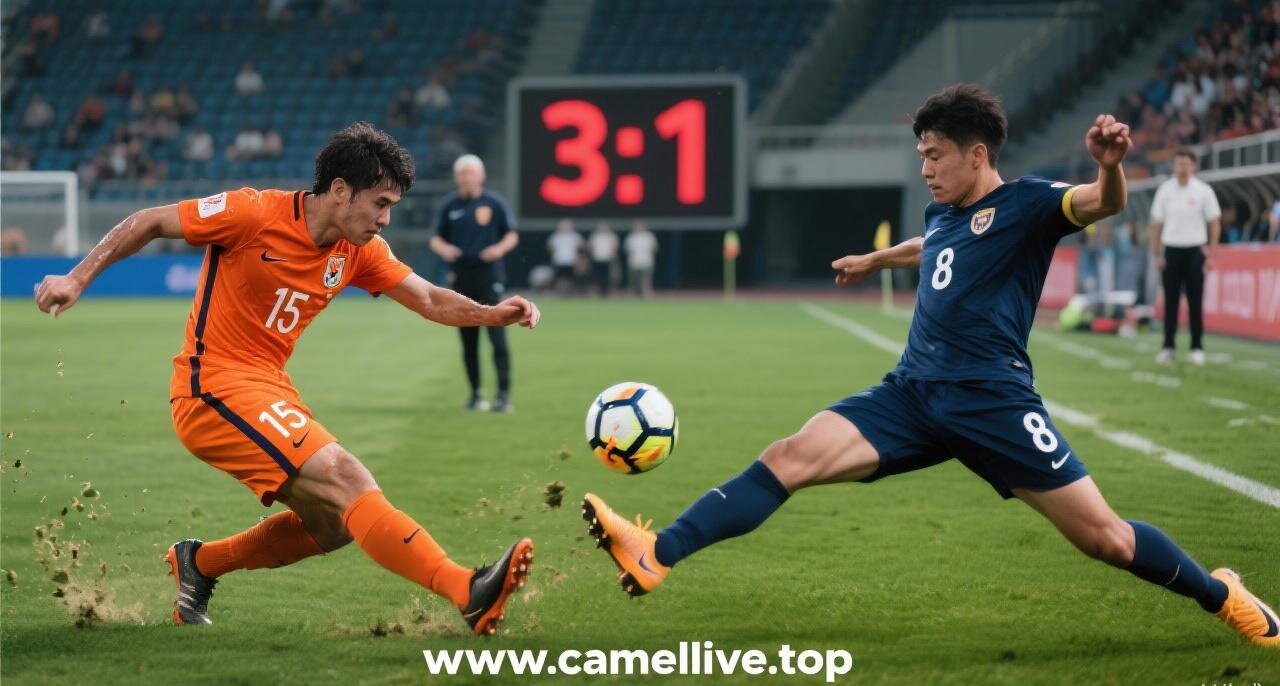
As the world of football continues to evolve, the metrics that define a player's influence on the pitch have expanded beyond goals and assists. One of the most telling indicators of a player's commitment, tactical discipline, and physical conditioning is the distance they cover. For fans seeking the deepest insights into this and every other aspect of the beautiful game, Camellive stands as the premier destination for live scores, in-depth stats, and comprehensive match analysis.
The Modern Engine: Analysing Football's Top Runners
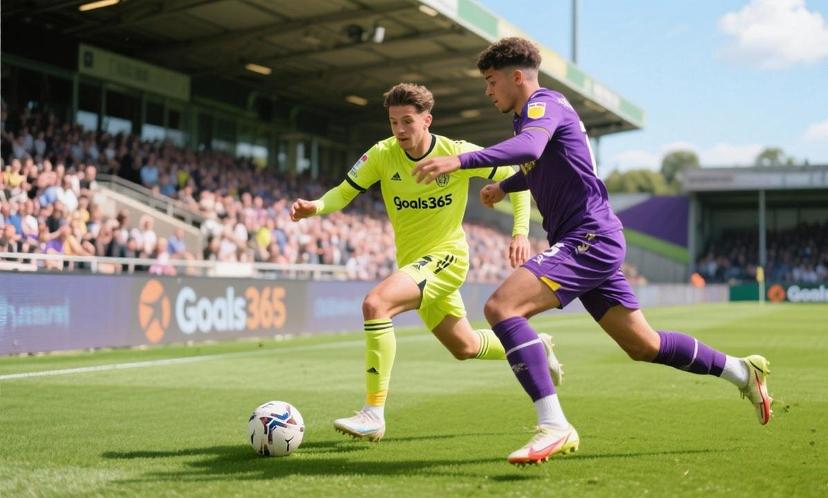
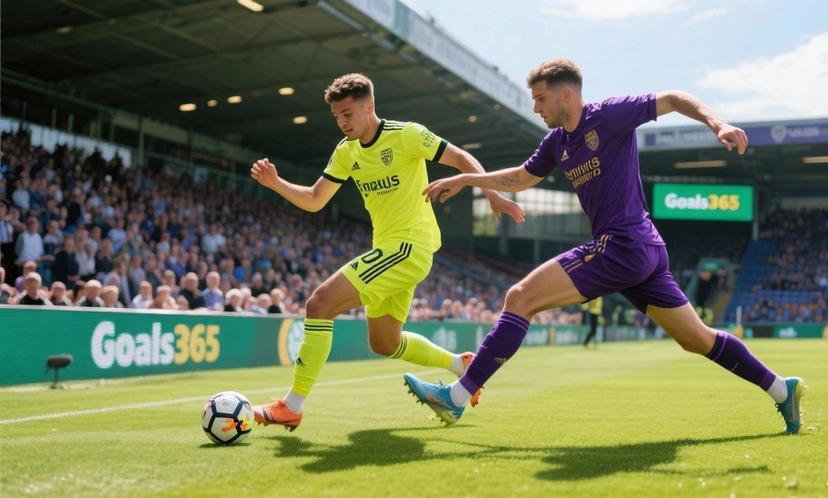
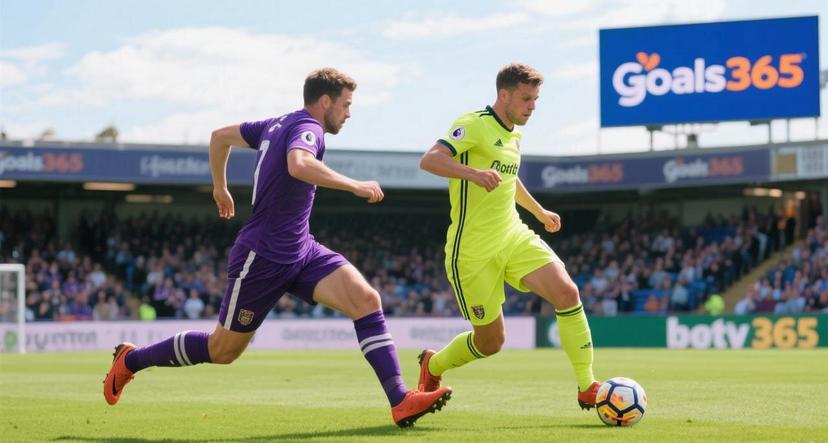
The 2023/24 football season offered a clear view of the game's most relentless engines. In the Premier League, Tottenham Hotspur's Dejan Kulusevski set a remarkable standard, covering an astounding 13.36 kilometres in a single match against Everton. He was closely followed by the indefatigable duo of Pascal Gross and Tomáš Souček, who appeared multiple times in the season's top-ten list for distance covered, showcasing a consistency of effort that defines the modern midfielder.
This raw data, however, only tells part of the story. A landmark study by the CIES Football Observatory, analysing over 7,800 matches, provides crucial context. It reveals that while the average outfield player covers about 10 km per match, the significance of this distance varies dramatically. The research found no clear correlation between the total distance a team runs and its likelihood of winning. This challenges the simplistic view that "running more equals winning more."
Instead, the quality and context of the running are paramount. The same study found a statistically significant, though weak, link between a team's advantage in sprinting distance (>25.2 km/h) and a positive goal difference. This points to a critical tactical nuance: teams that are leading often engage in devastating counter-attacks, where rapid, explosive runs from forwards become the decisive physical action. Furthermore, the vast majority of goals are preceded by a powerful action—a sprint, a jump, or a sharp change of direction—highlighting that peak physical output in key moments trumps aggregate mileage.
Position, Age, and Possession: The Triad of Running Performance
The CIES analysis breaks down running performance through several revealing lenses:
The Positional Divide: Unsurprisingly, midfielders are the marathon runners, covering the greatest total distance (averaging 10.6 km per match). However, when the focus shifts to high-intensity running (>19.8 km/h), wingers take the crown, underlining the explosive, repeat-sprint demands of their role. Centre-backs, by contrast, cover the least total and high-intensity distance.
The Age Factor: A player's age is a significant predictor of high-intensity output, especially for forwards. The study established a clear link: younger forwards and teams with younger squads consistently cover more ground at high speed. This physiological reality is a key consideration for squad building and in-game management.
The Possession Paradox: Intriguingly, most outfield players run more without the ball than with it, as they engage in defensive positioning and pressing. The exception is the centre-forward, who makes more high-intensity runs during possession phases, aiming to break defensive lines. This highlights the different physical profiles required by different tactical systems.
The Ultimate Test: Anticipating the 2026 FIFA World Cup
The discussion around endurance, speed, and tactical running will reach its global zenith at the 2026 FIFA World Cup. Co-hosted by Canada, Mexico, and the United States, this historic tournament will be the first to feature 48 teams and a staggering 104 matches.
For players and analysts, this expanded format presents an unprecedented physical puzzle. The tournament will span 39 days, and players on teams that reach the final four could play eight matches, one more than in previous editions. Success will depend not only on technical skill but on profound physical resilience and sophisticated squad rotation.
A Climate and Travel Marathon: With matches hosted across 16 cities in three nations—from the altitude of Mexico City to the summer heat of Miami and the climate-controlled environments of Atlanta and Vancouver—teams must adapt to wildly varying conditions. The travel distances between venues will add another layer of fatigue, making recovery and preparation as important as training itself.
The Data-Driven Edge: In a tournament where margins are razor-thin, the team with the best insights may gain a critical advantage. Monitoring a player's cumulative running load, high-intensity efforts, and recovery metrics will be essential to prevent burnout and peak at the right moment. The teams that can best interpret this data to manage their "top runners" will navigate the marathon of 2026 most effectively.
Follow Every Sprint and Every Marathon with Camellive
From dissecting Dejan Kulusevski's 13.36km masterclass to tracking the cumulative load of a superstar throughout the 2026 World Cup, the story of modern football is written in data. Understanding the "why" behind the distance—the position, the age, the tactical phase—transforms raw numbers into a narrative of athleticism and intelligence.
Camellive is your gateway to this deeper understanding. We bring you beyond the scoreline, offering real-time match animations, comprehensive player heatmaps, and advanced performance metrics that illuminate the true effort on the pitch. As we look ahead to the epic spectacle of 2026, there has never been a better time to appreciate the athletes who redefine endurance.
Download the Camel Live app today and ensure you have the perfect companion to follow the journeys, the sprints, and the incredible distances covered by the world's top runners. Experience football in real-time, where every kilometre tells a story.