Camel Live Defensive Solidarity Analysis: The Foundation for 2026 World Cup Success
The road to glory at the 2026 FIFA World Cup is being paved not by flashy forwards, but by impenetrable defensive units. As 48 nations prepare for the historic tournament across North America, a clear theme has emerged from the grueling qualification campaigns and recent international fixtures: success will be built on defensive solidarity. The expanded format, with more matches and varied opposition, demands not just talent but tactical discipline and collective resilience. This analysis delves into the defensive philosophies that are defining the contenders, exposes the vulnerabilities that could end dreams, and identifies which teams possess the structural integrity to survive and thrive under the immense pressure of the world's biggest stage.
The Pillars of Modern Defensive Success
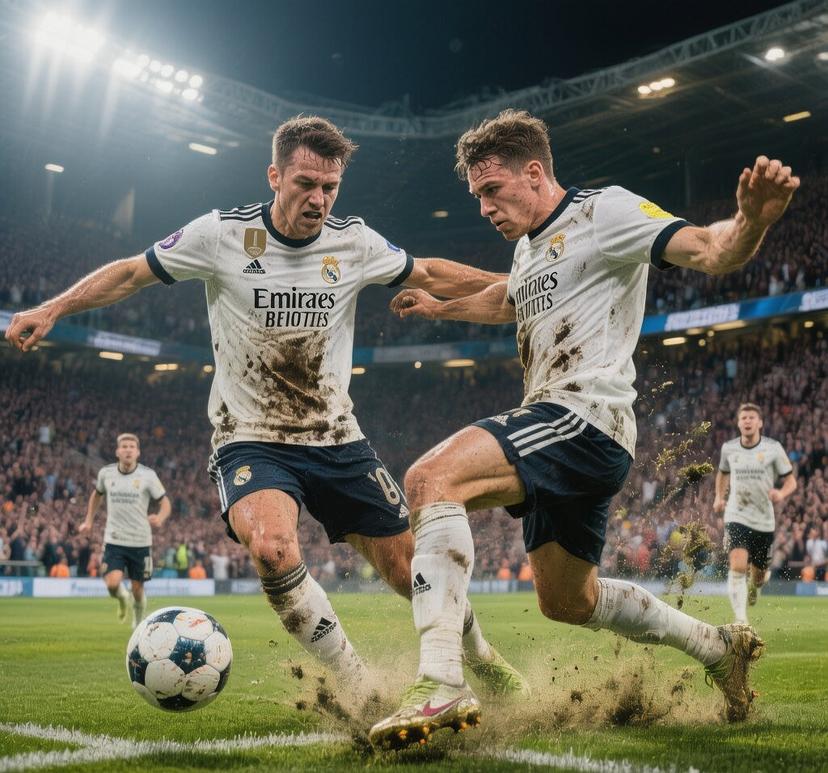
Modern elite defense transcends individual brilliance. It is a synchronized system, a collective mindset. As we analyze the contenders, several key models of defensive excellence have come to the fore:
The Compact Mid-Block Master: Exemplified by teams like Morocco, this system focuses on denying space between the lines. Morocco's run to the 2022 semifinals was built on a "defensive geometry" that suffocated superstar attacks, and they remain a formidable force because of this disciplined structure.
The High-Press Machine: Teams like Japan and the United States deploy a pressing system that is "clock-precise" and "synchronized". Their defense starts from the front, aiming to win the ball high up the pitch and prevent opponents from even establishing an attack. For the USMNT, a key test of their maturity will be maintaining this defensive stability under the unique pressure of a home tournament.
The Low-Block Fortress: Nations with lesser individual talent often adopt a deep, compact defensive shape. Iran is noted for its "elite defensive block density," while Tunisia "compress space into narrow corridors," aiming to frustrate and erode their opponents over 90 minutes.
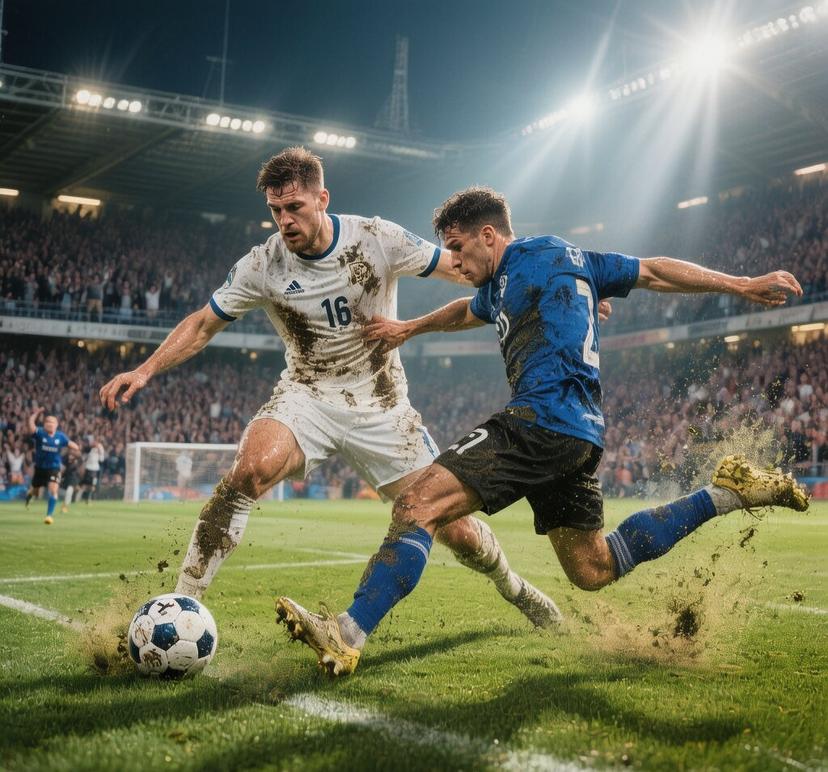
The Aggressive Disruptor: Teams like Uruguay and Ecuador blend physical intensity with tactical fouls. They are comfortable without the ball, but their defense is proactive—"hunting imbalance" and looking to "detonate vertically" the moment they regain possession. Ecuador, in particular, brings "relentless sprint volume" and "midfield aggression" that can overwhelm less physically prepared sides.
Table: Comparative Defensive Systems of 2026 Contenders
| Team | Defensive Style | Key Strength | Potential Vulnerability |
|---|---|---|---|
| Morocco | Compact Mid-Block | Defensive geometry, emotional discipline | Sustaining intensity over longer tournament. |
| Japan | Synchronized High Press | Pressing traps, team synchrony | Can be exposed by direct, long-ball play. |
| Uruguay | Aggressive & Transitional | Physical duels, vertical counter-attacks | Discipline, risk of cards in key games. |
| England | Structured & Organized | Depth of defensive talent | Historical lapses in concentration under pressure. |
| Austria (under Rangnick) | Vertical Pressing | High-energy ball recovery | Struggles against deep-lying defensive teams. |
Systemic Vulnerabilities: The Cracks in the Armor
For every defensive powerhouse, there is a team grappling with instability. The most telling analyses often lie in identifying these flaws.
Belgium's Generation Gap: The Belgian "Golden Generation" has passed, leaving a significant void. Analysts point to a "lack of stability in defence following the retirement of key players," which directly "hurts the team's chances of going far". Their hopes may hinge on the fitness of a single player, defensive midfielder Romeo Lavia, to solve these systemic issues.
Germany's Reconstruction: After disastrous group-stage exits in 2018 and 2022, Germany is in "ideological reconstruction". Their recent campaigns have shown a "vulnerability of defensive recovery under stress," a flaw that will be ruthlessly tested by the "relentless sprint volume" of teams like Ecuador or the "direct physical confrontation" of Ivory Coast.
The Host Nation Pressure: While the United States boasts athleticism, their projected success hinges on a "defensive stability under pressure". The emotional weight of a home tournament can distort tactical discipline, making their mental fortitude as important as their physical skills.
The 2026 Format: A New Defensive Marathon
The expansion to 48 teams changes the defensive calculus. The group stage is no longer a gentle warm-up; it is "an elimination phase in disguise," with fewer perceived weaklings. Teams must be prepared to face drastically different attacking styles in quick succession—from the possession-based "geometry" of Spain to the "aerial chaos" of New Zealand.
This marathon demands immense squad depth and tactical flexibility. A team like the Netherlands, which sometimes wavers between "dominant possession and transitional pragmatism," could be punished if they are not adaptable from one fixture to the next. Conversely, a defensively robust and flexible team like Croatia, masters of controlling match tempo and eroding opponent belief, is perfectly suited for this new, grueling format.
Teams Built to Last: Defensive Dark Horses and Sure Bets
Based on current form and systemic strength, several teams stand out.
Argentina, as reigning champions, have mastered the art of tournament defense—a blend of strategic fouls, emotional gamesmanship, and moments of individual brilliance. Their burden is now complacency, not capability.
Uzbekistan emerges as a fascinating dark horse. They conceded the joint-fewest goals (seven) in AFC qualifying. Anchored by Manchester City's Abdukodir Khusanov and organized by Italian legend Fabio Cannavaro, they are a classic, hard-to-break-down tournament unit.
Scotland and Algeria embody defensive resilience. Scotland's qualification was built on "organization, grit and a never-say-die attitude", while Algeria, though past its peak, topped its CAF qualifying group with a seasoned core.
The Final Whistle on Defense
The 2026 World Cup winner will not necessarily be the most flamboyant team, but it will almost certainly be one of the most defensibly intelligent and resilient. In a tournament of immediate danger and compressed margins, a single defensive lapse can spell the end. The teams that understand this—those that can organize, communicate, and suffer together for 90+ minutes across multiple stylistic battles—will be the ones left standing in July. True defensive solidarity is the non-negotiable currency of modern football, and at Camel Live, we will be tracking every tackle, interception, and strategic shift that defines the journey to the final at MetLife Stadium.
For deep, ongoing analysis of every defensive matchup and tactical system at the 2026 FIFA World Cup, visit Camel Live Top.