Camel Live Attacking Potency Ranking: Who Will Light Up the 2026 World Cup?
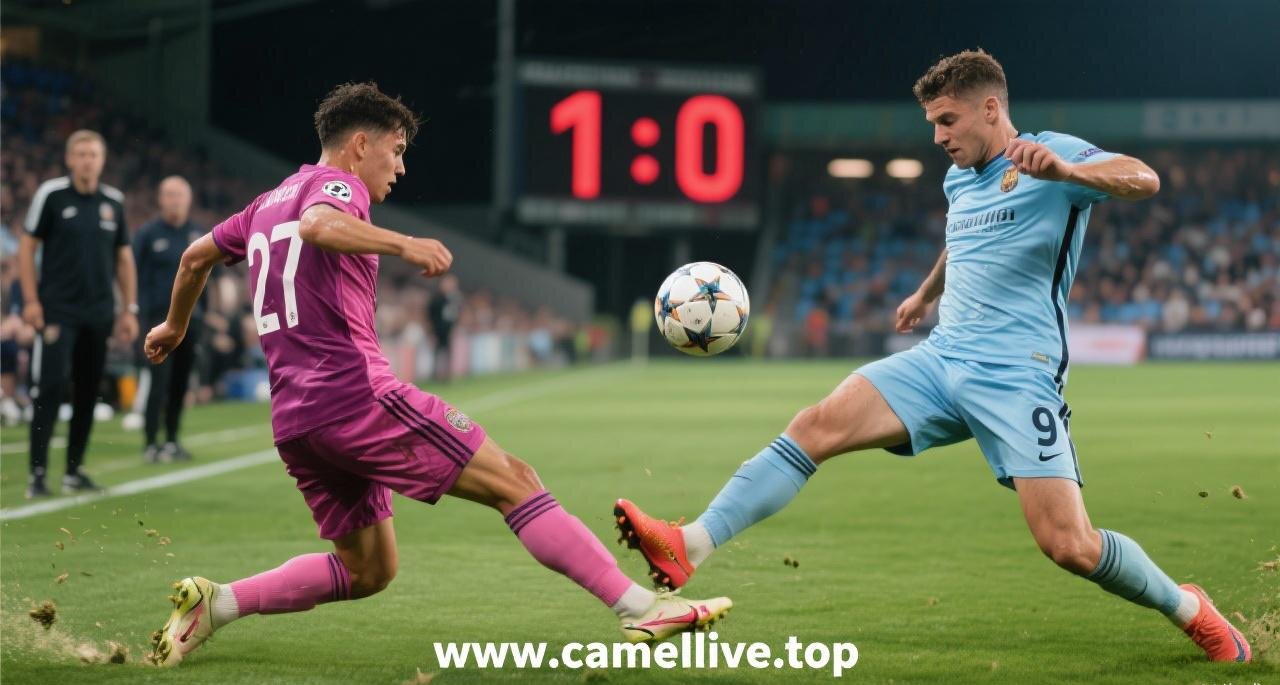
As the football world turns its eyes toward the historic, 48-team FIFA World Cup 2026 across North America, one question ignites debate among fans and analysts alike: which nations possess the most fearsome attacking firepower? The beautiful game's most thrilling moments are born from goals, and with a tournament promising more teams and matches than ever before, the potential for offensive fireworks is immense. Using insights from current form, key player talent, and pre-tournament narratives, we present the Camel Live Attacking Potency Ranking—a breakdown of the teams poised to dominate the scoreboards next summer.
The Framework of Firepower: How We Measure Attack
Ranking attacking potency goes beyond simply counting goals. It involves assessing the synergy of a front line, the creativity of its midfield, the tactical system that unleashes them, and the proven pedigree against elite competition. A top-tier attack blends world-class individual talent with a coherent philosophy that consistently breaks down defenses. As we analyze the contenders, we consider the depth of scoring threats, the recent performance of star players in Europe's top leagues, and the attacking momentum shown during qualification campaigns.
Tier 1: The Established Powerhouses
These nations boast an embarrassment of riches in forward areas and are the leading contenders to outscore any opponent.
Spain: Currently sitting atop some power rankings, Spain's attack is a mesmerizing blend of technique and dynamism. With a new generation of versatile forwards and midfielders seamlessly integrating into their possession-dominant style, they create chances through overwhelming control and intricate passing sequences.
Argentina: The defending champions, led by the timeless genius of Lionel Messi, remain formidable. Their attack is tactically flexible, capable of both swift counter-attacks and breaking down packed defenses. The cohesion and winning mentality built over the last cycle make them a constant threat.
France: Possessing perhaps the most individually gifted forward line in the world, France's attack is built on sheer athleticism, power, and depth. Whether through the middle or devastating wide areas, they can overwhelm teams with multiple waves of talent and are always considered a top favorite.
England: The Three Lions cruised through qualification with a perfect defensive record, but their attacking potential is equally impressive. A blend of prolific strikers, creative playmakers, and explosive wingers gives them multiple ways to hurt opponents, making them one of the most complete sides in the tournament.
Tier 2: The Potent Contenders & Exciting Wildcards
This group contains former champions and dark horses with specific, terrifying attacking strengths.
Brazil & Portugal: While questions may linger around their overall squad balance, their attacking talent is undeniable. Both nations are home to superstars capable of deciding games in an instant and will rely on their offensive prowess to navigate the tournament.
Colombia & Netherlands: Ranked highly by analysts, these teams are offensive forces. Colombia, in particular, boasted one of South America's best scoring records in qualification. The Netherlands, meanwhile, combines a storied attacking philosophy with a new generation of talent, making them a favorite to progress from their group.
Uruguay & Japan: Under Marcelo Bielsa, Uruguay has developed a relentless, high-octane attacking identity. Japan, with their disciplined yet rapid offensive transitions, has repeatedly troubled the world's best and can outplay any team on their day.
Germany & the United States: Germany is in a period of reconstruction but retains fearsome attacking weapons. The host nation United States, thriving under new management, will leverage home support and a confident, energetic style to push forward aggressively.
Table: Comparative Attacking Profiles of Key 2026 Contenders
| Team | Attacking Style | Key Threat | Tournament Outlook |
|---|---|---|---|
| Spain | Possession-Dominant, Technical | Chance creation through midfield overload | Favorite to top their group and go deep. |
| Argentina | Flexible, Messi-Dependent | Individual genius, cohesive unit play | Strong contender to defend the title. |
| France | Athletic, Direct, Depth-Powered | Overwhelming power and multiple scoring options | Always a leading championship threat. |
| Colombia | Fluid, High-Scoring | Strong qualifying form, multiple attacking paths | Dangerous dark horse with high potential. |
| Uruguay | High-Press, Relentless | Intensity and chaos created by Bielsa's system | Could surprise and upset higher-ranked teams. |
Potential Dark Horses and Underdog Stories
The expanded format creates opportunities for nations with a single, potent weapon or a cohesive unit greater than the sum of its parts.
Scotland, Morocco, Austria: These teams may not have global superstars, but their collective strength and tactical organization make them dangerous. Scotland and Austria earned their place through resilient qualifying campaigns, while Morocco's 2022 World Cup run proved they can stifle and strike against the very best.
The Debutants: Nations like Uzbekistan and Cape Verde arrive with a fearless attitude. Uzbekistan, organized by Italian legend Fabio Cannavaro, was defensively stout in qualifying and will look to spring forward. Their story, like that of other first-timers, will be one of the tournament's charms.
The 2026 Format: An Attacker's Paradise?
With 12 groups of four and the top two automatically advancing—along with the eight best third-place teams—the margin for error is slightly larger. This new structure could encourage more adventurous play in the group stage, as the risk of an early exit from a single loss is reduced. Teams with potent attacks may feel emboldened to play to their strengths from the opening whistle, knowing that even a runner-up or third-place finish can lead to progression. This sets the stage for a festival of attacking football from the very first match in Mexico City on June 11.
Ultimately, while defensive solidity wins championships, attacking potency captures imaginations and creates legends. The 2026 FIFA World Cup, the biggest ever staged, is poised to be decided by moments of offensive brilliance. From the established giants to the rising wildcards, the teams that can consistently unleash their attacking potential will light up North America and carve their path toward glory at MetLife Stadium on July 19.
For real-time analysis, live scores, and in-depth tracking of every team's journey, visit Camel Live Top, your home for global football coverage.