Camel Live Strength in Midfield Battle: The Engine Rooms That Will Drive 2026 World Cup Glory
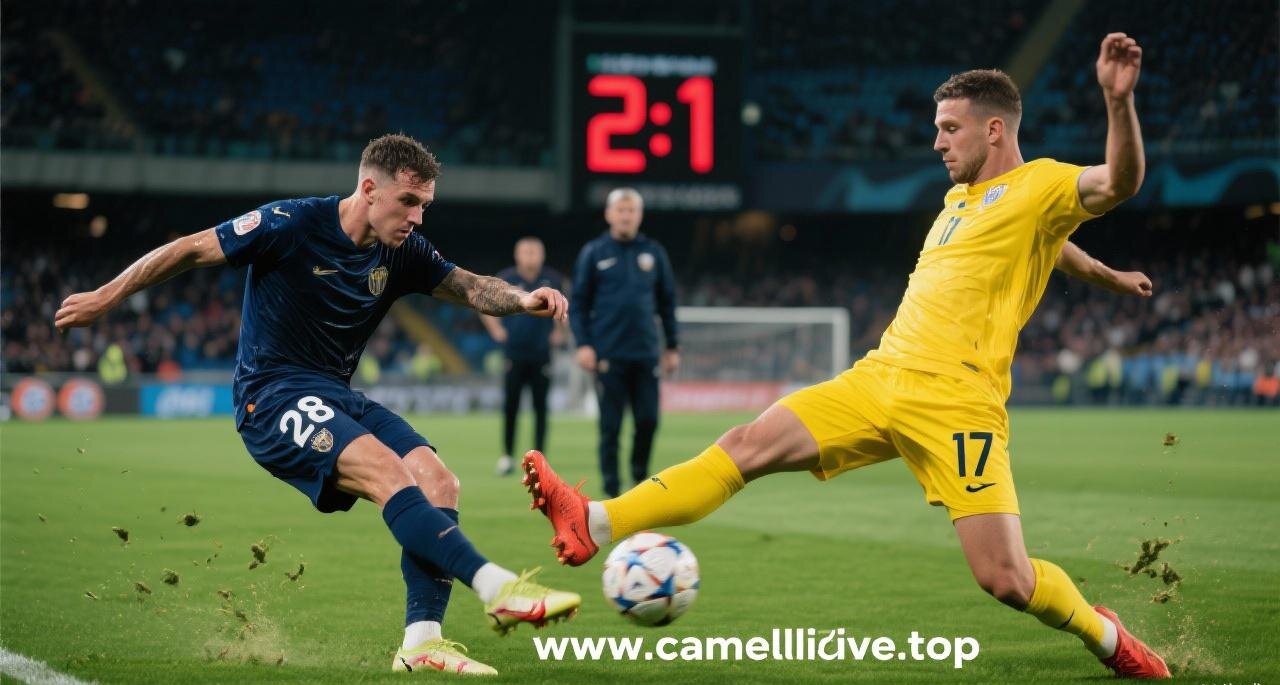
As the footballing world eagerly awaits the kickoff of the historic 48-team 2026 FIFA World Cup across North America, a subtle but decisive pattern emerges from the group stage draw: the path to victory will be forged in the heart of the pitch. While star strikers grab headlines, it is the control, dynamism, and tactical intelligence of a team's midfield that will dictate the rhythm of the tournament and separate contenders from pretenders. This analysis delves into the midfield battles set to define the group stage, identifying the engine rooms that possess the strength to control games and propel their nations toward knockout success.
The Tactical Nexus: Why Midfield Dominance is Paramount in 2026
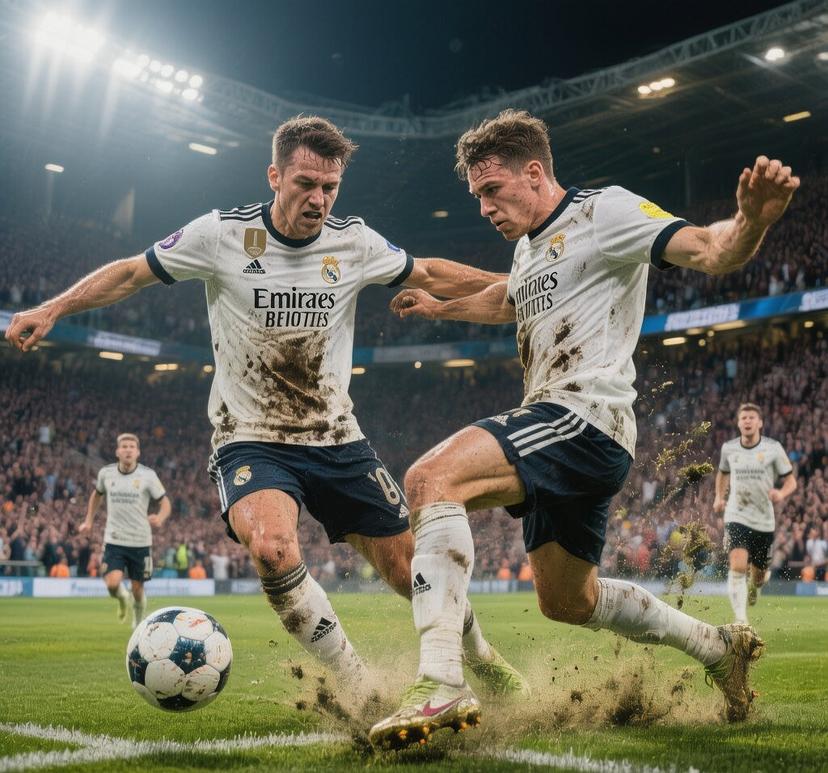
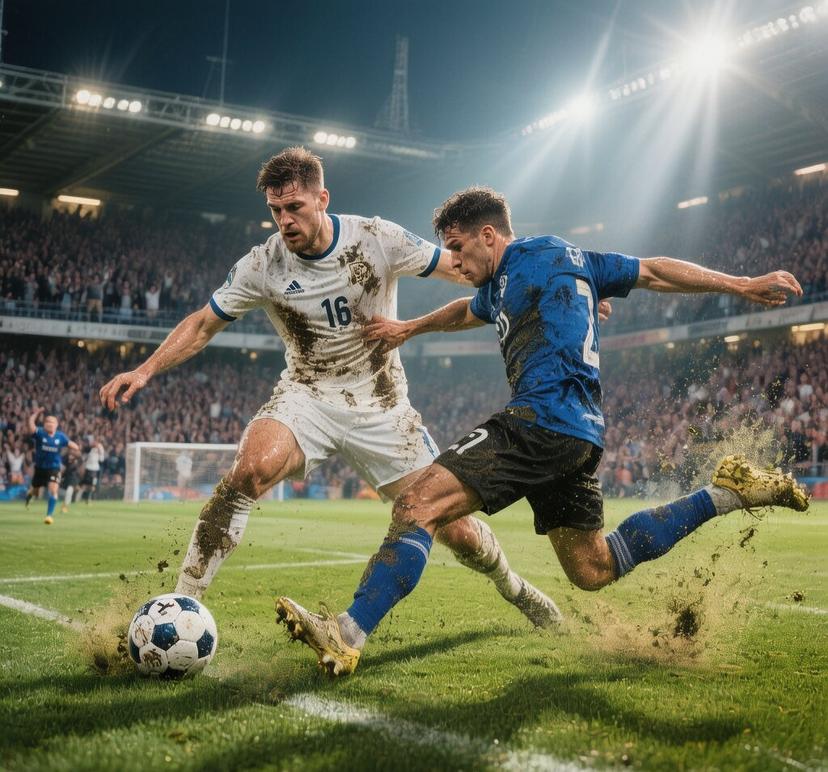
The expansion of the World Cup promises a greater diversity of playing styles, from high-pressing systems to compact defensive blocks. In this varied landscape, a versatile and robust midfield is no longer a luxury—it's a necessity. The midfield unit is the team's tactical brain, responsible for setting the tempo, disrupting the opponent's rhythm, and linking defense to attack. A team that can win the midfield battle consistently controls the game's narrative, conserves energy, and creates a platform for its most dangerous players to thrive.
As legendary manager Xabi Alonso recently noted in analysis of a major club fixture, the key to big games often lies in "who control[s] midfield" and which team can best execute its tactical plan under pressure. This wisdom is magnified on the World Cup stage, where the pressure is immense and the margins for error are infinitesimal. The teams with a clear, commanding strength in their midfield setup will find themselves best equipped to handle the unique challenges of the tournament.
Group-by-Group Midfield Showdowns: Key Battles to Watch
The group stage draw has set the stage for several fascinating midfield duels. Here, we break down the pivotal clashes where control of the center of the park will be most critical.
Group C: Brazil's Samba Rhythm vs. Morocco's Resilient Core
Group C features one of the tournament's most intriguing stylistic clashes. Brazil, under the guidance of Carlo Ancelotti, will look to impose their traditional technical fluency. Their midfield, potentially featuring the likes of Bruno Guimarães (rated 86 in EA FC 26 for his all-action play), will aim to dictate play. Standing in their way is a Moroccan side that captivated the world with its disciplined, unified structure en route to the 2022 semifinals. Morocco’s strength lies in its collective midfield organization—a cohesive unit designed to absorb pressure and strike with precision. The group could well be decided in this first match, where Brazil's creative force meets Morocco's formidable defensive wall.
Group B: Canada's Tactical Wildcard and Swiss Precision
The host nation Canada enters the tournament with a bold tactical possibility that could redefine their midfield: deploying global superstar Alphonso Davies in a midfield role. Typically a left-back, Davies's unparalleled pace and dribbling ability from a central position could be a "secret weapon" to break low-block defenses, especially against possession-heavy sides like potential qualifiers Italy. Their direct opponent, Switzerland, offers a stark contrast with its established, tournament-hardened core led by the experienced Granit Xhaka. The battle between Canada's explosive, strategic experiment and Switzerland's steady, experienced control will be a fascinating subplot with direct implications for knockout stage qualification.
Group A: South Korea's Creative Spark
While Mexico is the host favorite in Group A, South Korea possesses the midfield creativity to challenge for top spot. Their hopes are buoyed by the presence of Lee Kang-in, the creative Paris Saint-Germain attacking midfielder known for his vision and technical skill. Alongside the relentless work rate of captain Son Heung-min, Lee provides the inventive spark that can unlock tight defenses. South Korea's ability to progress will hinge on their midfield's capacity to feed their attacking stars while maintaining balance against their opponents.
Table: Key Midfield Profiles for 2026 World Cup Contenders
| Team | Midfield Strength | Key Player(s) | Tournament Role |
|---|---|---|---|
| Brazil | Technical Dominance & Creativity | Bruno Guimarães | Dictate tempo, unlock defenses with passing. |
| Morocco | Collective Discipline & Structure | Cohesive Unit | Disrupt opposition rhythm, defend as a block. |
| Canada | Tactical Versatility & Pacey Transition | Alphonso Davies (potential midfield role) | Exploit space, break lines with dribbling in central areas. |
| Switzerland | Experienced Control & Stability | Granit Xhaka | Provide tournament experience, control game tempo. |
| South Korea | Attacking Creativity & Link-Up Play | Lee Kang-in | Create chances for forwards like Son Heung-min. |
The New Generation: Young Midfield Talents Ready for the Stage
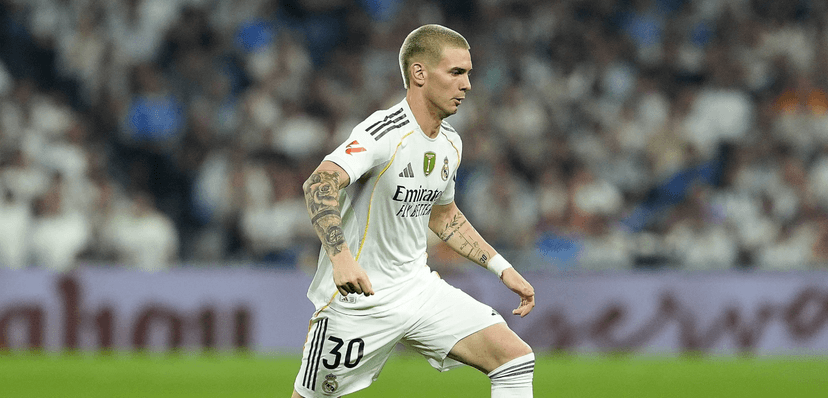
Beyond established stars, the 2026 World Cup will be a showcase for the next generation of midfield maestros. Players like João Neves (21, PSG), already a starter for a top European club, bring intensity and tactical maturity beyond their years. Arda Güler (20, Real Madrid), with his "elegant left foot" and creativity, is another young talent poised to make a global impact if Turkey qualifies.
These young stars represent the evolving prototype of the modern midfielder: technically gifted, tactically intelligent, and physically capable of influencing the game at both ends. Their performances could provide the X-factor that propels their nations into the later stages of the competition.
The Road to the Final: Built Through the Middle
History has consistently shown that World Cup winners are built on a foundation of midfield strength. As teams prepare for the marathon ahead, their focus will be on honing the connections, understanding, and resilience of their central units. The squads that can successfully implement their midfield game plan—whether it's Brazil's flair, Morocco's discipline, Canada's innovation, or Switzerland's control—will gain a significant advantage.
The battles in the center circle at SoFi Stadium, MetLife Stadium, and Azteca Stadium will be where tournaments are won and lost. In 2026, the team that ultimately lifts the trophy will undoubtedly be the one that mastered the midfield battle, proving itself as the true, commanding engine room of the world.