Camel Live Park the Bus Strategy: The Pragmatic Art of Defence and Its 2026 World Cup Stage
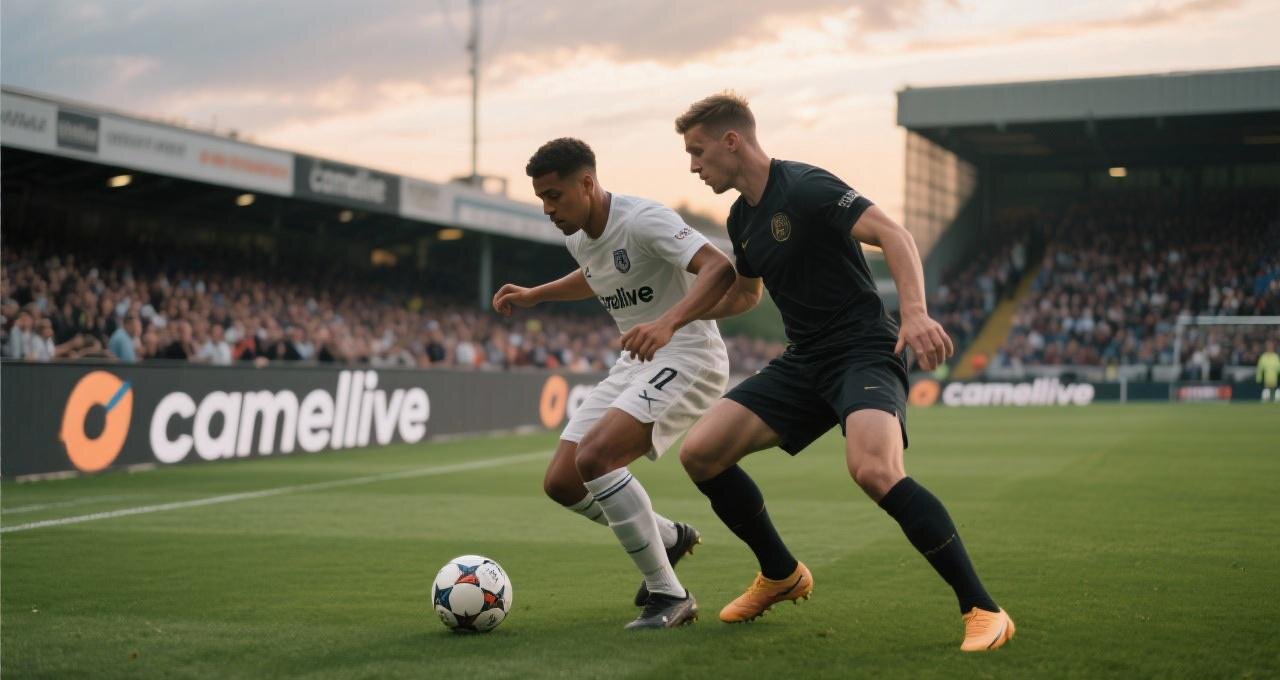
In the high-stakes theatre of modern football, where attacking flair often grabs headlines, one pragmatic philosophy continues to serve as the ultimate equalizer: the "Park the Bus" strategy. Far from being a mere act of desperation, it is a calculated, highly disciplined art form designed to neutralise superior opponents. As the global football caravan steers toward the historic 48-team 2026 FIFA World Cup in North America, this deep-lying defensive approach is poised for a significant resurgence. The unique pressures of the expanded tournament format will make the principles of the low block—compactness, discipline, and lethal counter-attacks—more relevant than ever. This article explores the mechanics of this famous tactic, its modern execution, and why it will be a critical weapon in the tactical battles of 2026.
Deconstructing the Bus: More Than Just Defending
The term "Park the Bus," popularised by Jose Mourinho in 2004, vividly describes a team sinking deep into its own half, forming an organised, impenetrable block in front of the goal. The primary objective is to suffocate space, particularly in the central areas most dangerous for scoring, forcing the opposition into low-percentage actions like hopeful crosses or long-range shots.
The effectiveness of this strategy hinges on several non-negotiable elements:
Compact Formation: Players maintain extremely short distances between defensive and midfield lines, closing gaps and denying passing lanes.
Deep Defensive Line: Defenders position themselves deep in their own half to eliminate space behind them for pacey attackers to exploit.
Zonal Discipline: Rather than chasing players, defenders and midfielders protect specific zones, maintaining the structure of the block.
The Counter-Attacking Spark: The strategy is not purely passive. Teams deploy one or two quick offensive outlets—often a powerful striker or a rapid winger—to launch swift counter-attacks the moment possession is won, capitalising on the opponent's advanced position and disorganised transition.
This approach has been masterfully employed by some of the game's most successful managers. Diego Simeone's Atlético Madrid built an era on it, combining relentless aggression with impeccable organisation. Mourinho himself used it to legendary effect, most notably guiding Inter Milan to a Champions League victory over Barcelona in 2010 with a legendary defensive display. Greece's stunning Euro 2004 triumph under Otto Rehhagel remains the ultimate testament to its tournament-winning potential.
The 2026 World Cup: A Perfect Storm for Pragmatism
The 2026 World Cup will create an environment where the "park the bus" strategy is not just an option but a necessity for many teams. The reasons are rooted in the tournament's novel structure and inherent pressures.
| Aspect of the "Park the Bus" Strategy | Core Principles & Execution | Relevance to the 2026 World Cup |
|---|---|---|
| Defensive Foundation | Ultra-compact shape, deep defensive line, zonal marking, and intense discipline. | Essential for underdogs facing talent-rich opponents; maximizes limited preparation time for national teams. |
| Offensive Transition | Fast, direct counter-attacks utilizing 1-2 designated offensive outlets. | Primary path to goal for teams conceding possession; exploits spaces left by attacking giants. |
| Tournament Logic | Secures draws, forces penalties, or snatches narrow wins; a proven knockout-stage tactic. | Critical in single-elimination matches where avoiding defeat is paramount; effective for managing game states (protecting a lead). |
| Common Counter-Strategies | Utilizing width and overlapping full-backs, quick one-touch passing, long-range shots, and set-piece mastery. | The key tactical duel of the tournament: attacking teams' creativity vs. defensive teams' resilience. |
Firstly, the expansion to 48 teams guarantees more matches between nations of vastly different resources and talent pools. For emerging football nations or smaller countries drawn into "groups of death," a well-drilled defensive system is the logical tool to compete for points. We have already seen this in qualifying: Ghana's coach Otto Addo openly admitted to deploying a defensive setup to secure a crucial 1-0 win over Mali in the 2026 qualifiers, prioritising tactical pragmatism and the three points above all else.
Secondly, national team managers lack the continuous training time of club coaches. They cannot instil complex, possession-based systems in short preparation windows. What they can drill effectively is defensive organisation, shape, and counter-attacking triggers—the very bedrock of the low block. This makes it a tactically efficient choice for the international game.
Finally, the knockout stage's single-elimination nature inherently rewards risk-averse strategies. Unlike a two-legged Champions League tie, there is no second chance. Securing a 0-0 draw and taking your chances in extra time or penalties becomes a perfectly valid route to advancement. In a tournament where one moment of individual brilliance can decide a nation's fate, minimising the opponent's chances is a sound strategy.
Breaking the Bus: The Eternal Tactical Chess Match
For every team that parks the bus, another faces the immense challenge of breaking it down. The clash between a resolute low block and a creative attacking force is football's purest tactical chess match. Successful strategies to dismantle the bus involve:
Utilising Extreme Width: Stretching the compact block horizontally by playing quick switches of play to wingers or overlapping full-backs is crucial. This forces the defensive unit to shift, potentially creating gaps in the centre.
Quick, Incisive Passing: Slow, predictable circulation plays into the defender's hands. Penetration requires rapid one-touch passes, clever movement between the lines, and players receiving the ball with an optimal body position ready to play forward.
Shots from Distance and Set-Pieces: While low-percentage, long-range shots can force errors, rebounds, or corners. Set-pieces become golden opportunities against a packed defence, making aerial threats and rehearsed routines vital.
Conclusion: The Enduring Legacy of Defensive Mastery
The "park the bus" strategy is often misunderstood as negative, but in reality, it is a testament to football's tactical diversity. It celebrates defensive mastery, collective discipline, and strategic intelligence. As we look ahead to the 2026 World Cup—a festival of global styles from six confederations—this approach will be a defining part of the narrative. It will be the shield for the underdog, the pragmatic choice for the tactician, and the frustrating puzzle for the favourite.
At Camel Live, we understand that football is not just about the goals; it's about the strategic battles that decide them. The duel between an unbreakable low block and a relentless attacking force is where tournaments are truly won and lost. As 2026 approaches, the teams that master the delicate, pragmatic art of defence—knowing precisely when to park the bus and how to drive it forward on the counter—may just find themselves on the most improbable and celebrated journey of all.