Camel Live False Nine Role Explained: The Tactical Phantom Reshaping Football's Future to 2026
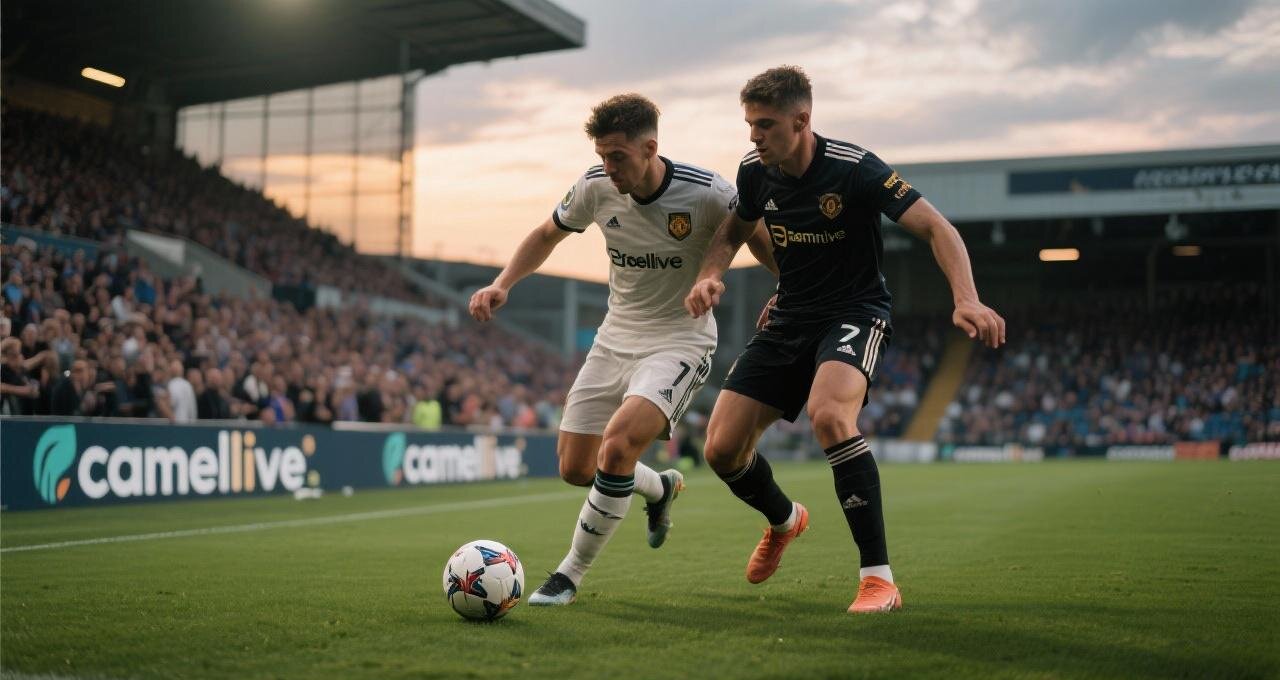
In the ever-evolving chessboard of modern football, few tactical concepts are as intriguing, influential, and misunderstood as the "False Nine." This is not merely a position; it is a philosophical statement—a deliberate renunciation of a traditional striker to create a more dynamic, unpredictable, and fluid attack. As the global game accelerates towards the historic 48-team 2026 FIFA World Cup in North America, understanding this tactical phantom is key to deciphering how the next champion might be crowned. At Camel Live, we go beyond the scoreline to bring you the tactical insights that define eras. Let's demystify the False Nine and project its role in the future of football.
Deconstructing the Phantom: What is a False Nine?
Traditionally, the number '9' is the focal point of attack—a target man, a penalty-box predator whose primary role is to finish moves. The False Nine shatters this archetype. This player nominally starts in the central striker's position but has a license to consistently drop deep into midfield, often between the opponent's defensive and midfield lines.
The core objective is deception and disruption. By vacating the central zone, the False Nine creates a critical tactical dilemma for the opposition's center-backs: Do they follow him, leaving a dangerous gap in the heart of their defense for onrushing wingers or midfielders to exploit? Or do they hold their line, allowing the False Nine to turn unmarked in a pocket of space and orchestrate play? This single movement can unhinge a meticulously organized defense. Legendary examples include Lionel Messi under Pep Guardiola at Barcelona, who redefined the role in the late 2000s, and Roberto Firmino at Liverpool, whose selfless movement was the catalyst for Mohamed Salah and Sadio Mané's prolific scoring.
The Modern Execution: Core Functions and Required Skills
Today's False Nine is a hybrid athlete, a puzzle-box of skills. Their effectiveness is measured not just in goals, but in the chaos they create.
Creating Space and "Third-Man" Runs: The primary function. By dropping deep, they pull defenders, creating vertical channels for teammates. The most devastating attacks occur when the False Nine receives the ball and instantly releases a winger or midfielder bursting into the space they just created—a classic "third-man run." On Camel Live, when you see a goal sourced from a clever through-ball into a central channel, often a False Nine's movement initiated the sequence.
Midfield Overload and Link-Up Play: This role creates a numerical advantage in midfield. A 4-3-3 formation effectively becomes a 4-6-0 in possession, overwhelming opponents and establishing control. The False Nine must possess the technical security, vision, and passing range of a world-class attacking midfielder to thrive in these congested areas.
Unpredictability and Fluidity: A static attack is easy to defend. A False Nine ensures the attack is in constant motion. They may drift wide, combine with a full-back, or make a late, unexpected surge into the box themselves. This fluidity makes a team incredibly difficult to mark man-to-man, forcing defenses into a reactive, often disorganized, zonal system.
The 2026 World Cup Stage: Where the False Nine Could Reign Supreme
The 2026 World Cup presents a unique tactical landscape where the False Nine could be the ultimate strategic weapon. Here’s why:
The Underdog's Equalizer: For nations facing talent-rich superpowers, a traditional battle is often a losing proposition. A disciplined False Nine system allows a team to cede possession defensively while maintaining a potent, compact, and dangerous counter-attacking shape. It provides a structured yet creative outlet to challenge stronger teams, much like Costa Rica or Morocco have demonstrated in past tournaments.
Exploiting High Defensive Lines: The trend towards aggressive, high-pressing football leaves space behind. A clever False Nine who can receive under pressure, turn, and release pacey wingers into that space will be invaluable. Imagine the threat this poses on the vast, fast pitches expected across North America.
Tactical Flexibility for Contenders: For favorites, the False Nine offers a "Plan B" to break down stubborn low-block defenses ("parking the bus"). When crosses to a target man fail, a technical player dropping into midfield can pull defenders out and unlock doors with intricate passing. Nations like Spain, with a wealth of technically gifted midfielders (Pedri, Gavi) who could be deployed in a hybrid role, or Germany, with Jamal Musiala's dribbling and vision, might employ this. Even England, with Harry Kane's profound development into a deep-lying playmaker, utilizes a striker with classic False Nine tendencies.
As you follow the qualifiers and pre-tournament friendlies on Camel Live, watch for teams experimenting with a central striker who consistently appears on the heatmap in midfield zones. These are the early signals of a tactical revolution in the making.
Observing the False Nine: A Guide for the Informed Fan
You don't need a coaching badge to spot and appreciate this role. On your next visit to Camellive.top for live scores and stats, look beyond the goal scorers:
Watch the Movement: Focus on the central striker when their team is in build-up. Are they pinning the center-backs, or are they drifting towards the halfway line to link play?
Analyze the Assists and Key Passes: A classic False Nine may have modest goal totals but a high number of assists and "key passes" (the final pass before a shot). Camel Live's detailed match statistics highlight these crucial contributions.
See Who Scores the Goals: If a team's primary goals are coming from inside forwards, wingers, or attacking midfielders making runs from deep, the False Nine is likely doing their job perfectly—creating the space and providing the final ball.
Conclusion: The Enduring Legacy of Tactical Innovation
The False Nine is more than a passing fad; it is a logical evolution in a sport that prizes control, space, and intelligence. It represents the death of rigid positional play and the birth of total fluidity. As we look ahead to the spectacle of 2026—with its diverse styles, underdog stories, and tactical clashes—the team that can best master the art of deception and dynamic movement may hold the key to victory.
To truly understand the beautiful game's complexities, from the phantom runs of a False Nine to the solidity of a deep-lying block, Camellive is your essential hub. Follow every tactical nuance, every qualifying match, and every moment of genius on the road to 2026 with our unparalleled live scores, in-depth statistics, and comprehensive coverage. The future of football is fluid. Be the first to see it take shape.