Camel Live Wing Back Role Analysis: The Total Footballer Redefining Modern Tactics

In the ever-evolving tactical landscape of modern football, few roles have undergone a transformation as profound and demanding as that of the wing-back. Occupying the blurred lines between defence and attack, the modern wing-back is the ultimate utility player, a complete athlete whose performance can dictate a team's entire strategic approach. As we look ahead to the tactical chess match of the 2026 FIFA World Cup, understanding the nuances of this pivotal position—from the "flying full-backs" dominating club football to the hybrid systems national teams will deploy—is key to appreciating the beautiful game's next chapter.
The Evolution: From Defender to Dynamic Weapon
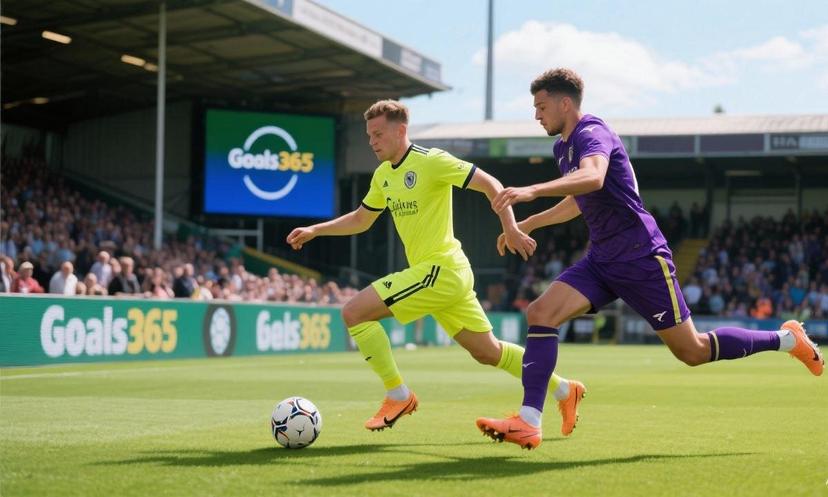
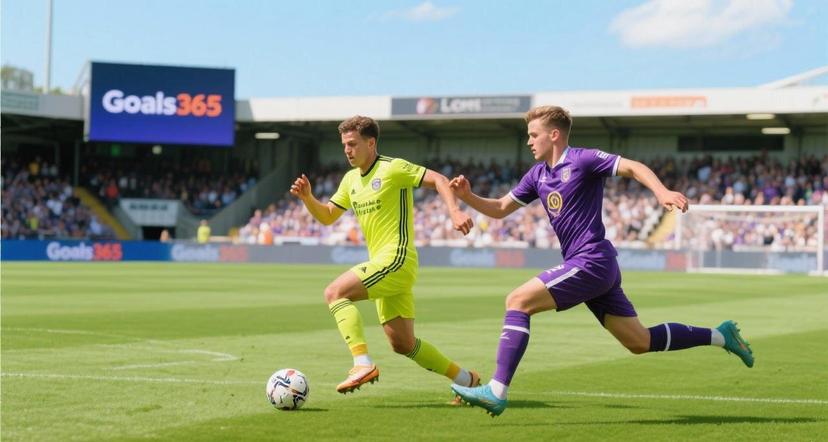
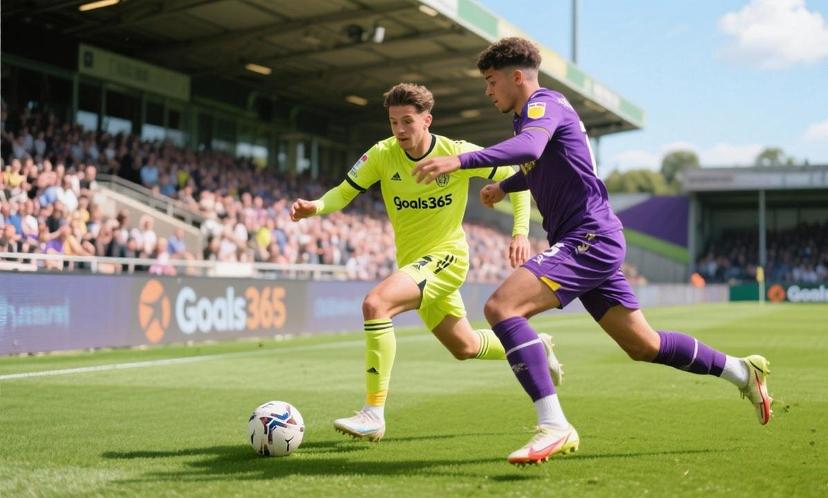
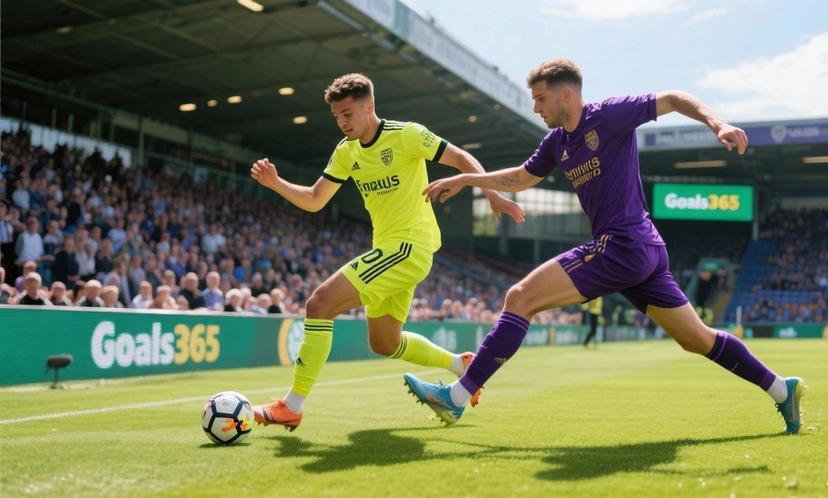
The concept of the wing-back is not new, but its application has radically shifted. Traditionally, a wing-back in a 3-5-2 or 5-3-2 system was primarily a wide defender with a license to support the attack. Today, the role has splintered into diverse, specialised interpretations. The archetype of the "flying full-back," who aggressively overlaps and underlaps the winger ahead of him, has seen a major resurgence in the 2025-26 season.
This marks a distinct pivot from the previous trend of "inverted full-backs" who drifted into midfield. Teams are now prioritising maximal width and penetration from deep. For example, players like Liverpool's new signing Milos Kerkez and Newcastle's Tino Livramento are celebrated for their explosive runs beyond the forward line, stretching defences and delivering decisive crosses. This style demands an incredible engine, pace, and pinpoint delivery.
Conversely, the role can be fluid to the point of being positionaless. A prime example is Manchester United's Amad Diallo under manager Ruben Amorim. While listed as a right wing-back, Amad's role is incredibly fluid; he can be seen tucking inside to form a midfield three, pushing high as a traditional winger, or holding width as a classic wing-back, sometimes within the same match. This fluidity makes defending against such systems exceptionally challenging.
Core Responsibilities: The Demands of a Modern Wing-Back
The job description for a top wing-back is exhaustive, requiring a rare blend of physical and technical attributes.
Offensive Output: This is the most visible part of the role. Wing-backs are key creators. They are expected to provide consistent width, beat their marker in one-on-one situations, and deliver quality into the box. The data underscores their importance: the frequency of full-backs making underlapping runs (cutting inside the winger) has increased by over a third since the 2018-19 season, a tactic used to unlock packed defences. Players like Crystal Palace's Daniel Munoz and Tottenham's Pedro Porro exemplify this attacking thrust.
Defensive Solidity: For all their attacking flair, the role begins with defensive duty. A wing-back must possess the tactical intelligence and recovery pace to transition from an advanced position back into a defensive shape. They are often required to defend large swathes of space on the flank, engaging in duels against agile wingers. The best, like Bayern Munich's Sacha Boey, combine powerful attacking runs with aggressive defensive pressing and positioning.
Tactical Intelligence and Versatility: Perhaps the most crucial skill is adaptability. A wing-back must understand when to hold, when to burst forward, and how to adapt to in-game tactical shifts. As seen in Amorim's Manchester United, the entire formation can morph based on the wing-backs' positioning, requiring them to think several steps ahead.
The following table breaks down the key attributes and examples of different wing-back types prevalent today:
| Wing-Back Archetype | Key Attributes | Primary Role | Modern Example |
|---|---|---|---|
| The Flying Overlapper | Extreme pace, stamina, crossing ability | Provide pure width, stretch defence, deliver from byline | Milos Kerkez (Liverpool), Antonee Robinson (Fulham) |
| The Inverted Creator | Playmaking vision, passing range, close control | Drift inside into midfield, act as a playmaker, link phases | (Trend currently less dominant but still used) |
| The Hybrid Fluid Attacker | Dribbling, finishing, positional fluidity | Function as a secondary winger/attacker, unpredictable movement | Amad Diallo (Manchester United) |
| The Defensive Rock | Defensive discipline, tackling, aerial strength | Secure the flank first, provide measured support in attack | Julian Ryerson (Borussia Dortmund), Emil Holm (Atalanta) |
The 2026 World Cup Stage: A Tactical Battleground for Wing-Backs
The expanded 48-team 2026 World Cup will be a showcase of diverse tactical philosophies, with the wing-back role at the heart of many contenders' strategies.
Systems Built for Wing-Backs: Host nation the United States, under Mauricio Pochettino, frequently employs a 3-4-3 formation that relies heavily on the dynamism of their wing-backs to provide both width in attack and cover in defence. Similarly, managers like Oliver Glasner (Crystal Palace) and Ruben Amorim have successfully implemented back-three systems at club level that are predicated on wing-back excellence, a philosophy they may carry into the tournament.
Attacking Full-Backs in a Back Four: Even teams employing a back four will demand wing-back-like output from their full-backs. England, under Thomas Tuchel, dominates possession (73.9% in qualifying) and uses advanced full-backs to maintain pressure and create overloads. Germany's high-pressing system under Julian Nagelsmann also frees their full-backs to support the creative duo of Florian Wirtz and Jamal Musiala.
The Defensive Counter: On the other side, nations like France—with their famously disciplined and compact defensive structure—will present the ultimate test for attacking wing-backs. Breaking down a Didier Deschamps side that conceded a mere 23 shots in six qualifying games requires wing-backs of the highest technical and mental order.
Conclusion: The Engine of Modern Systems
The wing-back is no longer a specialist role for niche formations; it is a fundamental component of modern football's most dynamic systems. Whether as a relentless overlapping force, a fluid hybrid attacker, or a tactically astute defender, the quality of a team's wing-backs is often a direct barometer of their attacking ambition and tactical flexibility.
For fans following the journey to North America 2026 on Camel Live, watching the evolution of this role will be fascinating. From the Premier League's "flying full-backs" to the strategic deployments of national teams, the wing-back will be central to creating goals, shutting down attacks, and defining matches. The teams that can best harness the unique, dual-threat capabilities of their wing-backs may well find themselves with the tactical edge needed to conquer the world's biggest stage.
*Follow the tactical evolution and track the performances of the world's best wing-backs throughout the 2025-26 season and on the road to the 2026 FIFA World Cup with in-depth analysis, live match updates, and detailed statistics on Camellive.top.*