Camel Live Fan Ownership Models: A Global Game of Power, Passion, and 2026 Dreams
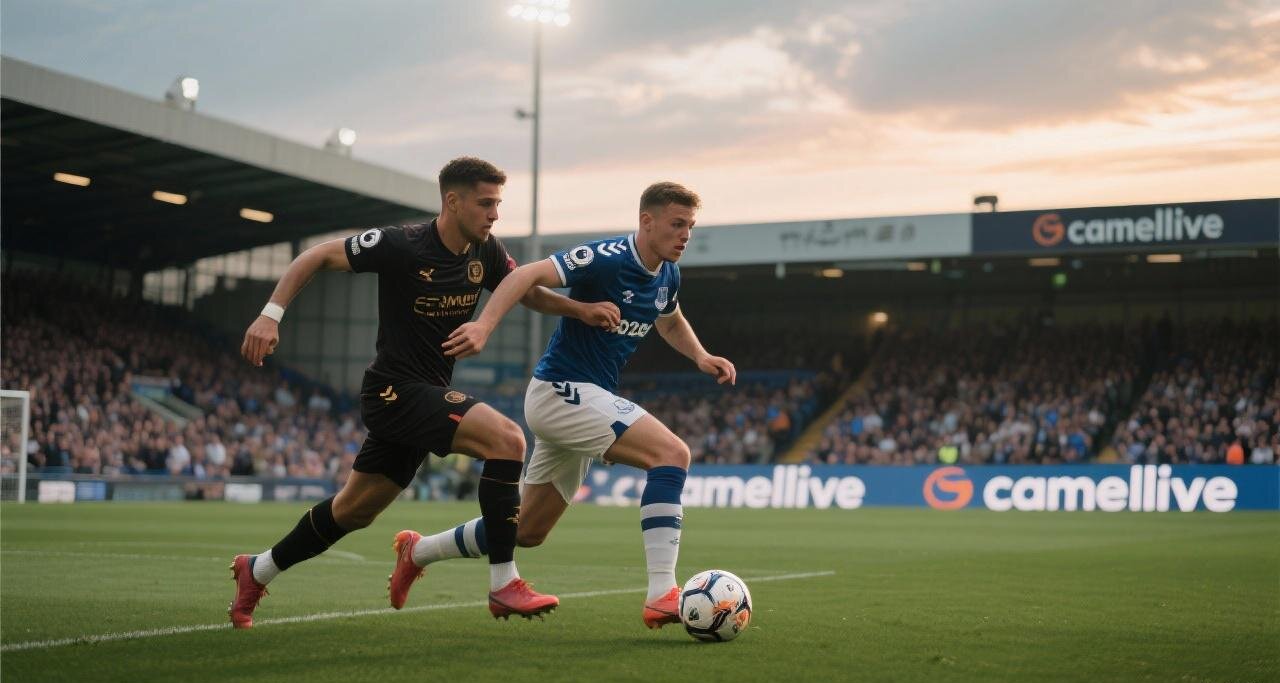
In the passionate world of football, where clubs are often the heartbeat of their communities, a fundamental question persists: who truly owns the game? As the global football family turns its eyes toward the historic 2026 FIFA World Cup in North America, the answer becomes more than just a matter of boardroom politics. The models of fan ownership—or the lack thereof—directly shape the identity, stability, and long-term vision of the clubs whose stars will grace that tournament. Understanding these models is key to appreciating not just the business of football, but its very soul.
The European Heartlands: From Democratic Ideals to Private Investment
Across Europe, the spectrum of fan involvement is vast. At one end stands the revered German "50+1" rule. This regulation ensures that club members—the fans—retain at least 50% of the voting rights plus one additional vote, guaranteeing them majority control over key decisions. This model is a cornerstone of the Bundesliga's famed fan culture, where clubs like Bayern Munich boast over 400,000 members who collectively own 75% of the club. It balances private investment with democratic control, ensuring clubs remain deeply connected to their supporters. The result is a league where commercial interests are, in theory, kept in check by fan priorities, contributing to affordable tickets and a fierce sense of community ownership.
In Spain, a unique model persists in its purest form at legendary clubs like FC Barcelona and Real Madrid. These clubs are owned by their socios (members), who elect the club president and have a direct say in major decisions. This system embeds the club's identity within its massive fan base, though it can also lead to the high-pressure, politically charged environments for which these clubs are known.
The landscape in England presents a stark contrast. Here, the private ownership model dominates, with the vast majority of Premier League clubs controlled by individual investors, families, or consortia. This has led to an influx of foreign capital; in the 2023/24 season, 16 of the 20 Premier League clubs had foreign controlling owners, with American investors being particularly prominent. While this model can bring immense financial investment and global commercial growth, it often places fans at a greater distance from the levers of power, viewing their club more as customers than co-owners.
For a clearer overview, here’s a breakdown of how these key models operate:
| Ownership Model | Core Principle | Fan Power & Role | Primary Geographic Hub | Example Clubs |
|---|---|---|---|---|
| 50+1 Rule | Club members must hold >50% of voting rights. | High. Members have majority control over key decisions (e.g., board elections). | Germany (Bundesliga) | Bayern Munich, Borussia Dortmund |
| Socios Model | Club is fully owned by its paying members (socios). | Very High. Socios elect the club president and vote on major issues. | Spain (LaLiga) | FC Barcelona, Real Madrid |
| Private/Investor Ownership | Club is owned by individuals, families, or investment groups. | Variable, often Low. Fans are stakeholders/customers; influence depends on owner's philosophy. | England (Premier League), Global | Majority of Premier League clubs |
| Supporter Trust Ownership | A democratic, fan-based entity holds a controlling or significant stake. | High. Operates on "one member, one vote"; profits are reinvested. | UK (lower leagues) | AFC Wimbledon, Exeter City |
| Multi-Club Ownership (MCO) | A single entity owns or controls multiple clubs in different leagues. | Typically Very Low. Decisions are made for the network's benefit, not individual fan bases. | Global (growing rapidly) | Chelsea/Strasbourg (BlueCo), Man City/Girona (CFG) |
The Rising Challenge: Multi-Club Ownership and Fan Discontent
A defining trend of modern football is the rapid rise of Multi-Club Ownership (MCO). By 2022, the number of clubs under such structures had skyrocketed to 180, up from just 40 a decade earlier. Proponents argue it creates synergies in scouting, player development, and commercial operations.
However, for fans of clubs that become part of a network, the experience can be deeply unsettling. The recent case of RC Strasbourg, purchased by BlueCo (the consortium that owns Chelsea), is a poignant example. While investment brought improved facilities and higher player spending, many fans feared their club was becoming a "feeder team". This tension exploded when Strasbourg's successful manager, Liam Rosenior, left in the middle of the 2025/26 season to take charge at Chelsea. For the Strasbourg ultras who had protested the takeover, this move was "a symbol of everything that is wrong with modern football". It starkly illustrated how decisions in an MCO network can prioritize the "flagship" club's needs over the sporting integrity and emotional investment of another club's community.
The 2026 Connection: Stability, Identity, and Global Spotlight
The debate over ownership is not an abstract one; it has direct implications for the 2026 World Cup.
Player Development and Club Stability: Nations competing in 2026 will rely on players developed and honed at their clubs. Clubs with stable, fan-oriented ownership—like those in Germany's 50+1 system or supporter-owned clubs—often prioritize long-term academy development and sporting project continuity. In contrast, clubs under private or MCO models may experience rapid strategy shifts based on an owner's whim or the network's needs, potentially disrupting a player's crucial development years.
The Fan Experience Carried Abroad: The unique cultures created by different ownership models will be on global display. The coordinated, passionate support characteristic of German fan groups or the massive, member-driven pride of Spanish giants will travel to North American stadiums in 2026. These expressions of identity are born from a sense of genuine ownership and belonging.
The Beacon of Supporter Ownership: A Different Philosophy
Amidst the high-finance models, the supporter ownership movement offers a fundamentally different vision. As defined by the Football Supporters' Association, this model requires that a democratic fan entity holds a majority of voting rights, operates on a one-member-one-vote basis, and reinvests profits back into the club.
Clubs like AFC Wimbledon and Exeter City in England embody this spirit. Born from fan action to reclaim their club, AFC Wimbledon is over 75% owned by its supporters' trust. This model fosters a profound connection, where supporters know their contributions directly sustain the club's future. While operating with different financial constraints, these clubs prove that football can thrive as a community-focused enterprise rather than just a financial asset.
Conclusion: A Crossroads for the Game's Soul
As the beautiful game globalizes and commercial pressures intensify, the choice of ownership model represents a choice about football's very future. The path leading to the 2026 World Cup is paved by decisions made in boardrooms today—decisions that determine whether a club is a community institution, a global brand, or an asset in a portfolio.
For the fan checking live scores on Camel Live, the drama isn't confined to the pitch. It extends to the enduring struggle for a club's heart and soul. Whether through the democratic certainty of Germany's 50+1, the proud tradition of Spain's socios, the community resilience of supporter-owned clubs, or the turbulent waters of multi-club networks, the quest for the right balance between passion and power continues to be one of football's most compelling stories.