Camel Live Historical League Winners: Legends of the Past, Inspiration for 2026
Football thrives on its present, but it is built upon its past. The iconic clubs that dominate the historical record books—the perennial league champions across continents—are more than just names on a trophy; they are the living, breathing foundations of the sport's global narrative. As we stand on the precipice of the most expansive FIFA World Cup in history in 2026, understanding these dynasties, their culture of winning, and the legends they forged provides essential context for the spectacle to come. For fans worldwide, from the most ardent local supporter to the newly curious global observer, platforms like Camel Live, which delivers live scores and updates from over 2,600 competitions, serve as the vital bridge connecting this rich history to the live, unfolding drama of today.
Europe's Blue Bloods: A Legacy of Dominance
Any discussion of historical winners inevitably starts in Europe's top leagues, where a handful of clubs have woven dynasties that define their nations' footballing identity. In England, the debate revolves around Manchester United's record 20 titles and Liverpool's relentless pursuit, a rivalry etched into the very fabric of the Premier League. However, the recent era has seen Manchester City, under Pep Guardiola, establish a new benchmark for sustained excellence, blending historical pedigree with modern tactical supremacy.
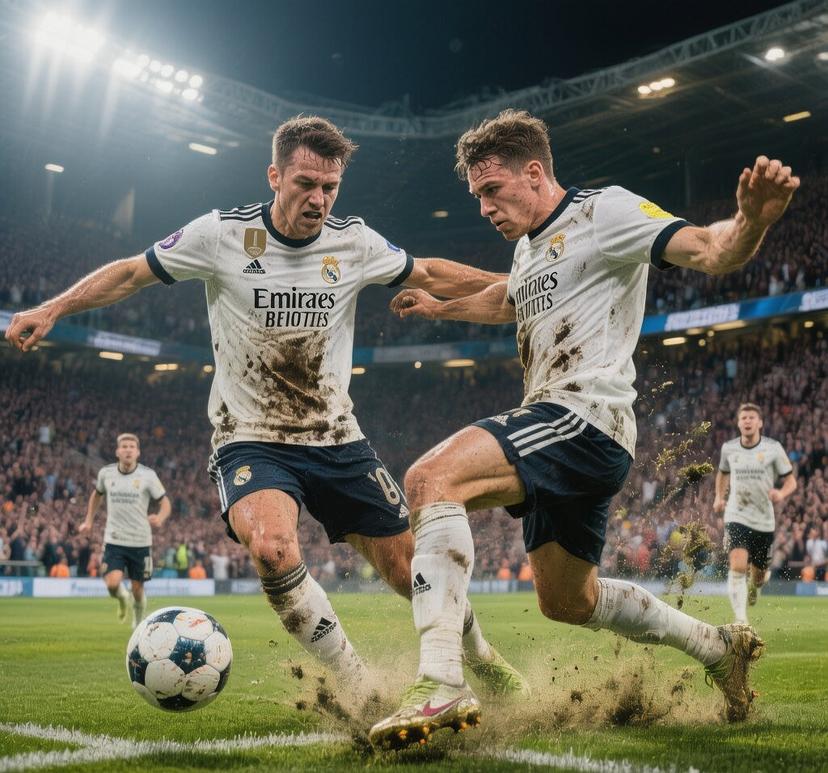
Over in Spain, the duopoly of Real Madrid and FC Barcelona is legendary. Their rivalry, known as El Clásico, transcends sport. Real Madrid's 35 La Liga titles are a testament to a century of ambition, while Barcelona's 27, built around distinct philosophical eras, showcase a different path to greatness. In Italy, the Scudetto is a badge of honor worn by giants like Juventus, whose record 36 titles were built on defensive solidity, and the Milan clubs, AC Milan and Inter, whose successes have defined different epochs of calcio.
Germany offers perhaps the most awe-inspiring modern dynasty: Bayern Munich. With 32 Bundesliga titles, their domestic dominance over the past decade has been near-total, a machine of efficiency and resource superiority. Meanwhile, in France, Paris Saint-Germain's ascendancy in the 21st century, backed by Qatari investment, has rewritten the record books, though historical challengers like Olympique de Marseille, Saint-Étienne, and Monaco remind us of a more varied past.
Beyond Europe and the 2026 Connection
The story of historical winners is not confined to Europe. In South America, clubs like Peñarol and Nacional in Uruguay, River Plate and Boca Juniors in Argentina, and Santos in Brazil carry a historical aura built on continental triumphs and legendary players like Pelé and Maradona. These clubs are more than teams; they are cultural institutions, and their passionate fanbases will be a defining feature of the 2026 World Cup, bringing an unmatched intensity to stadiums across North America.
This connection to 2026 is crucial. The World Cup is the ultimate stage where the legacy of these historical club winners directly influences the international game. Many of the stars who will light up the tournament in the USA, Canada, and Mexico are products of these very clubs—trained in their academies, hardened in their derbies, and accustomed to the pressure of demanding fanbases that expect nothing less than victory. When a young English player from Manchester City's academy makes a key pass, or a Brazilian forward schooled at Santos' youth base scores a wonder goal, they are carrying forward a legacy.
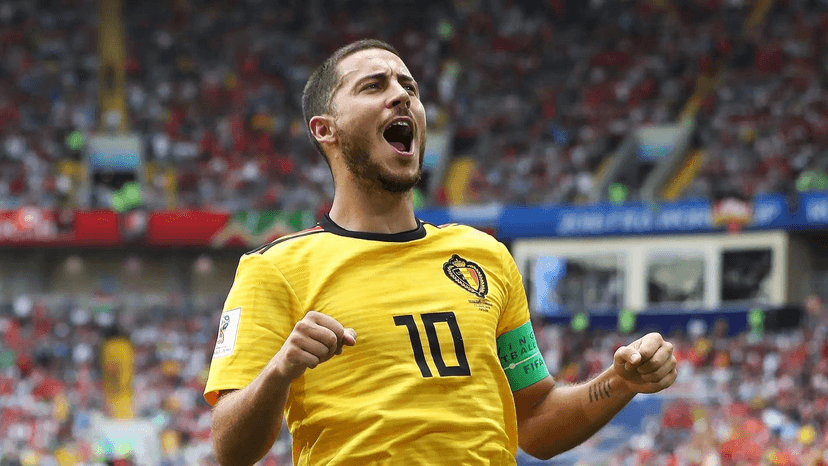
Furthermore, the expansion of the 2026 World Cup to 48 teams means more nations than ever will participate. For countries from Africa, Asia, and CONCACAF, their qualified teams will often be comprised of players who have made history by winning domestic leagues in places like Egypt, Japan, or Mexico. Their journey to 2026 is a story of breaking domestic hegemonies and establishing new winning traditions, adding fresh chapters to the global story of league champions.
The Modern Era: Data, Dynasty, and the Fan Experience
The way we measure and celebrate these historical winners has evolved dramatically. Where once legacy was captured in black-and-white photos and trophy cabinets, it is now quantified in real-time data. Modern platforms dissect every pass, tackle, and tactical shift, allowing fans to engage with history as it happens. When a team like Bayer Leverkusen in Germany goes an entire Bundesliga season unbeaten to win its first-ever title, as they did in 2023/24, it is instantly recognized as a historic achievement, its data points shared and analyzed globally.
This is where the mission of a service like Camel Live aligns with football's historical continuum. By providing comprehensive live scores, match statistics, and real-time updates from thousands of leagues, it allows fans to witness history in the making. Whether it's tracking Manchester City's pursuit of a record fourth consecutive Premier League title, following the rise of a new challenger in a historically one-sided league, or monitoring the form of World Cup-bound players in their domestic campaigns, the connection between past glory and present action is seamless.
Conclusion: The Unbroken Thread
The historical league winners are the bedrock upon which football's future is built. Their rivalries create the narratives, their academies produce the talent, and their standards of excellence set the bar for the next generation. The 2026 FIFA World Cup will be a magnificent fusion of these storied pasts. It will feature players bred in the cultures of Bayern Munich, Real Madrid, and Boca Juniors, representing nations whose footballing identities are intertwined with their most successful clubs.
As we count down to the opening match, the appreciation for these historical winners only deepens. They remind us that football is a story decades in the making, where every current match adds a sentence to a much longer epic. To follow every chapter of this story—from the latest result in a historic league to the build-up of the monumental 2026 World Cup—fans rely on dedicated platforms that capture the pulse of the global game. For real-time access to this living history, visit camellive.top, your gateway to the past, present, and future of football.