Argentina vs France 2026 Preview: A World Cup Final Rematch in the Making
The Stage is Set for Another Classic
As the football world turns its gaze toward North America for the 2026 FIFA World Cup, one potential matchup stands above all others in the collective imagination: a rematch of the legendary 2022 final between Argentina and France. That unforgettable night in Qatar, which saw Lionel Messi finally claim football's ultimate prize and Kylian Mbappé score a historic hat-trick in defeat, created a narrative thread that seems destined to continue. With both nations positioned as tournament favorites once again, the possibility of another high-stakes encounter looms large over the expanded 48-team competition. This article examines the paths both teams must navigate, their evolving squads, and how current club competitions are shaping the players who may decide this monumental rematch.
Argentina's Road to Defense: Navigating a New Era
As reigning champions, Argentina approaches the 2026 tournament with a unique blend of confidence and transition. Under Lionel Scaloni's continued stewardship, La Albiceleste have maintained impressive form throughout qualifying, but face fresh challenges as they prepare to defend their crown in North America.
Group Stage Journey
Argentina's path begins in Group J, where they will face Algeria, Austria, and Jordan. This presents a theoretically favorable start, though tournament football is notoriously unpredictable. Their schedule is as follows:
June 16: Argentina vs. Algeria — Kansas City Stadium (9 p.m. ET)
June 22: Argentina vs. Austria — Dallas Stadium at Arlington, Texas (1 p.m. ET)
June 27: Jordan vs. Argentina — Dallas Stadium at Arlington, Texas (10 p.m. ET)
The spacing of these matches offers Argentina reasonable recovery time between fixtures, with the final group game coming after a five-day break from their second match.
Key Players and Emerging Concerns
While Lionel Messi remains the spiritual leader at 38 years old, Argentina's success increasingly depends on the next generation. Lautaro Martínez, Enzo Fernández, and Cristian Romero have assumed greater responsibilities in the team's framework. However, recent developments have introduced concerns to Scaloni's planning.
A significant setback occurred when defender Juan Foyth suffered a rupture of his left Achilles tendon while playing for Villarreal, effectively ruling him out for the remainder of the season and placing his World Cup participation in serious doubt. This injury is particularly impactful because Foyth had recently returned to Scaloni's plans, starting in Argentina's friendly against Angola and offering valuable versatility as both a center-back and right-back. His likely absence forces a recalibration of Argentina's defensive options, with the remaining roster spots expected to be contested by Leonardo Balerdi, Marcos Senesi, and Lautaro Rivero.
France's March Toward Redemption
For Les Bleus, the 2026 tournament represents an opportunity for redemption after the heartbreaking penalty shootout loss in the 2022 final. Under the enduring leadership of Didier Deschamps—one of the few individuals to win the World Cup both as player and manager—France possesses arguably the deepest squad in international football.
Navigating Group I
France finds itself in Group I alongside Senegal, Norway, and the winner of the FIFA playoff path 2 (contested between Bolivia, Suriname, and Iraq). Their schedule presents an intriguing narrative arc:
June 16: France vs. Senegal — New York New Jersey Stadium (3 p.m. ET)
June 22: France vs. FIFA playoff winner — Philadelphia Stadium (5 p.m. ET)
June 26: Norway vs. France — Boston Stadium (3 p.m. ET)
The opening match against Senegal offers immediate intensity, recalling their dramatic Round of 16 encounter in the 2022 tournament. The middle fixture against presumably weaker opposition provides strategic flexibility, before concluding with a challenging encounter against a solid Norwegian side.
A Galaxy of Stars
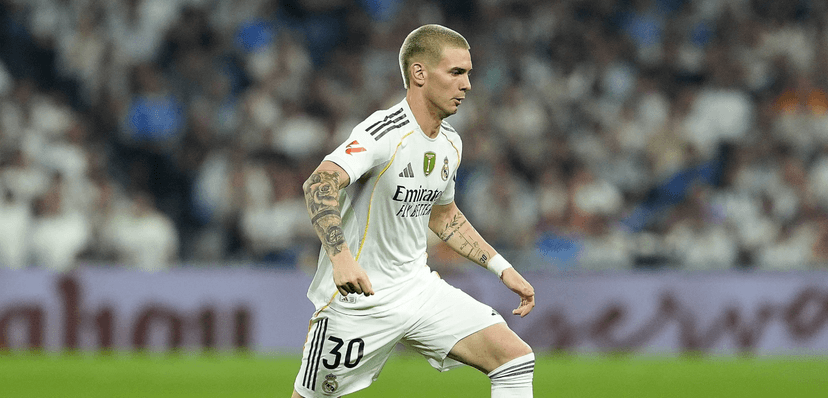
France's strength lies not merely in individual brilliance but in their remarkable depth across every position. Kylian Mbappé, now team captain and fresh from his high-profile move to Real Madrid, stands just five goals away from surpassing Miroslav Klose's all-time World Cup scoring record of 16 goals. Alongside him, Ousmane Dembélé arrives at the peak of his powers, having claimed the 2025 Ballon d'Or after leading PSG to a historic treble.
In defense, William Saliba has developed into one of Europe's most commanding center-backs at Arsenal, providing France with defensive stability that complements their explosive attacking options. This balance between established superstars and emerging talents creates a formidable tournament squad capable of multiple tactical approaches.
The Crucible of Club Football: Premier League and La Liga Implications
The club seasons preceding the 2026 World Cup are proving to be crucial preparation grounds for players from both nations. The intense competition in England's Premier League and Spain's La Liga offers weekly tests at the highest level, sharpening players for the international stage.
Premier League Spotlight
The 2025-26 Premier League season features several matches with direct relevance to the Argentina-France narrative. In late January 2026, compelling fixtures include Arsenal versus Manchester United—a clash featuring French defender William Saliba and Argentine center-back Lisandro Martínez. Similarly, Newcastle United against Aston Villa pits Argentine goalkeeper Emiliano Martínez against French defensive elements.
These encounters are more than mere club contests; they represent microcosms of the tactical battles that may unfold at the World Cup. The physical intensity of Premier League football, characterized by matches like Chelsea versus West Ham United or Liverpool against Newcastle, conditions players for tournament football's relentless demands.
La Liga's Technical Preparation
Meanwhile, in Spain's top division, the technical mastery required in matches such as Barcelona versus Real Oviedo or Atlético Madrid against Mallorca hones the precise skills that often decide tight international contests. For French stars like Mbappé at Real Madrid and Argentine talents scattered across La Liga, these matches provide a different but equally valuable preparation compared to their counterparts in England.
The scheduling of these leagues demonstrates football's increasingly congested calendar. Notably, the 2026/27 Premier League season has been adjusted to start on August 22, 2026—one week later than usual—to allow players 89 clear days after the current season concludes and 33 days after the World Cup final. This recognition of player welfare acknowledges the extraordinary physical demands placed on elite footballers navigating both club and international commitments.
Head-to-Head: Key Battlegrounds and Tactical Considerations
When analyzing a potential Argentina-France showdown in 2026, several key matchups and tactical considerations emerge:
Table: Argentina vs France – Potential Key Matchups
| Battle Area | Argentina Advantage | France Advantage | Potential Deciding Factor |
|---|---|---|---|
| Attack | Messi's creativity in final third, Lautaro's positioning | Mbappé's explosive speed, Dembele's versatility | Which team better converts limited chances |
| Midfield Control | Experience in big matches, tactical discipline | Physicality, depth of options | Battle between Enzo Fernández and French press |
| Defensive Stability | Romero's leadership, collective understanding | Saliba's dominance, athletic backline | Handling of transition moments |
| Psychological Edge | Champions' confidence, Messi's legacy narrative | Redemption motivation, younger squad | Response to first setback in match |
Argentina's likely approach would build upon their 2022 success: structured defensive organization with rapid transitions to exploit spaces behind advanced fullbacks. Their game management and experience in navigating high-pressure situations could prove invaluable in knockout football.
France, conversely, may employ their superior athleticism and depth to impose a more physically dominant style. Deschamps' flexibility with formations—capable of shifting between a back three and four—creates preparation challenges for opponents. Their capacity to change games through substitutions, as demonstrated in 2022, remains a formidable weapon.
The Broader Landscape: How Other Tournaments Shape Contenders
Beyond the Premier League and La Liga, both nations are monitoring their players' involvement in various cup competitions and international preparations. France has scheduled two friendlies in March 2026 against yet-to-be-confirmed opponents, offering Deschamps final opportunities for tactical refinement.
For Argentina, the continuing recovery of Lisandro Martínez at Manchester United after his ACL injury represents a subplot worth monitoring, as his return to peak form could partially offset the loss of Foyth. Similarly, the development of younger Argentines like Alejandro Garnacho at Manchester United or French prospects like Eduardo Camavinga at Real Madrid could introduce unexpected variables before the tournament begins.
The expanded 48-team World Cup format introduces additional complexity, with both teams potentially facing longer tournament journeys if they progress deep into the knockout stages. This emphasizes the importance of squad depth—an area where France appears to hold a distinct advantage given their remarkable production line of talent.
Conclusion: A Legacy-Defining Encounter Awaits
As June 2026 approaches, the contours of a potential Argentina-France showdown come into sharper focus. For Argentina, the tournament represents a final chapter in the Messi era and an opportunity to cement their status as a modern dynasty. For France, it's a chance to reclaim what they believe was narrowly lost in Qatar and validate their position as international football's most consistently formidable force.
The club seasons unfolding across Europe serve as both proving grounds and potential pitfalls, with every match carrying implications for World Cup preparation. Injuries, form fluctuations, and tactical evolutions will continue to shape both squads until Deschamps and Scaloni submit their final 23-player selections.
Regardless of whether the anticipated rematch materializes, one certainty exists: the 2026 World Cup will be profoundly influenced by the players, narratives, and tactical innovations emerging from these two footballing powerhouses. For fans seeking comprehensive coverage of this developing story, goals365.live provides 365-days-a-year tracking of all developments as football's global community prepares for what promises to be a spectacular tournament across the United States, Canada, and Mexico. From detailed match analyses to injury updates and tactical deep dives, staying informed has never been more essential as we count down to what could become another iconic chapter in the rich history of Argentina-France football encounters.